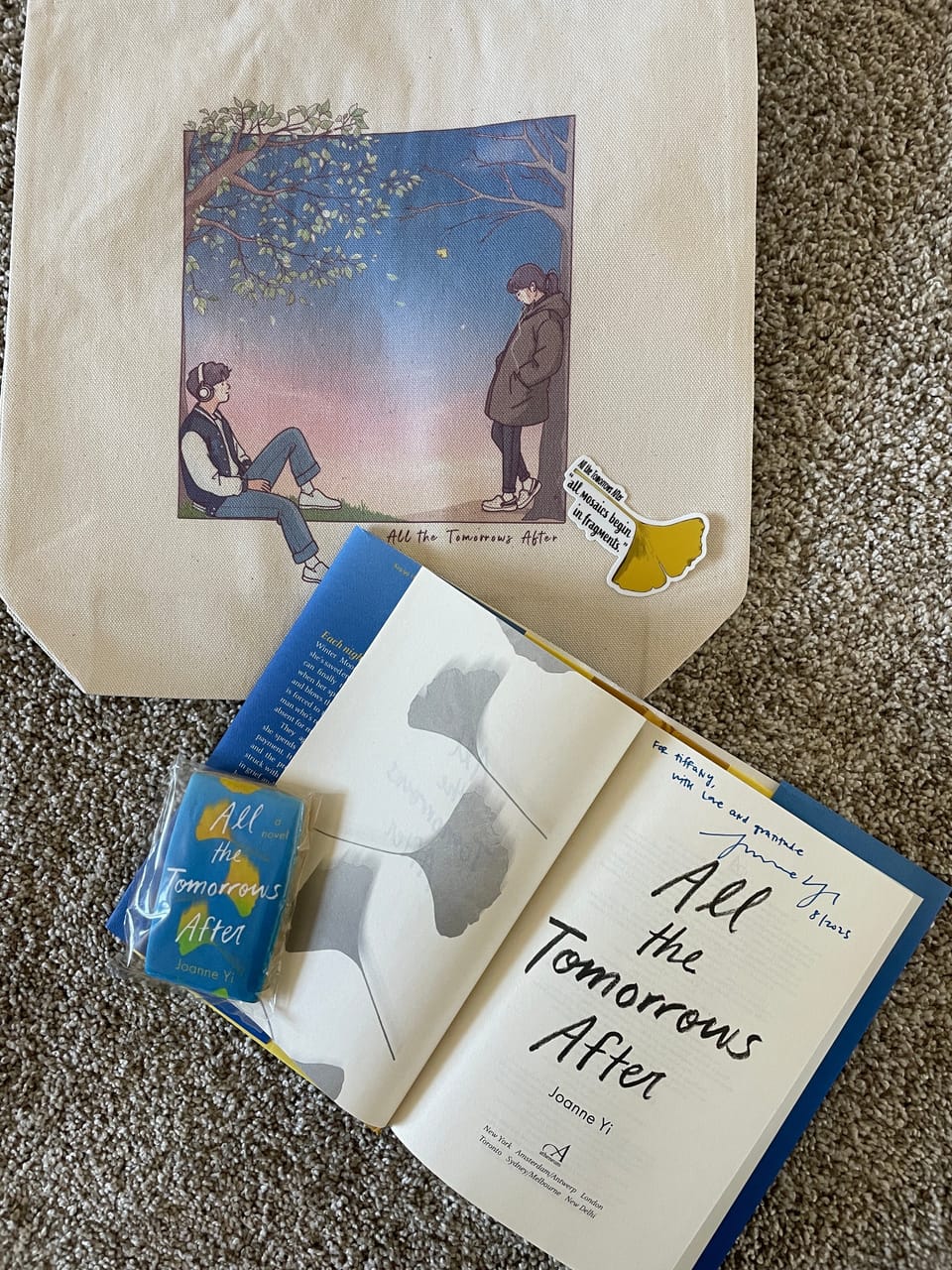
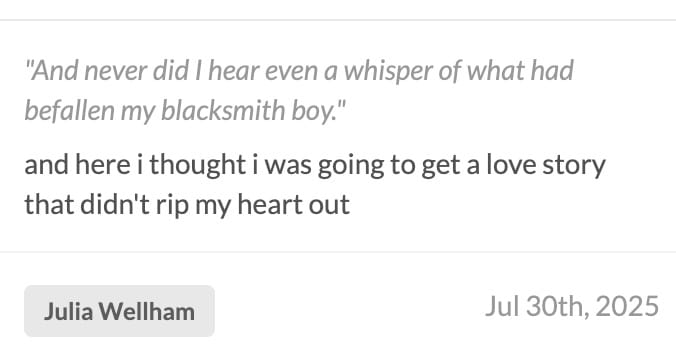
members-only post
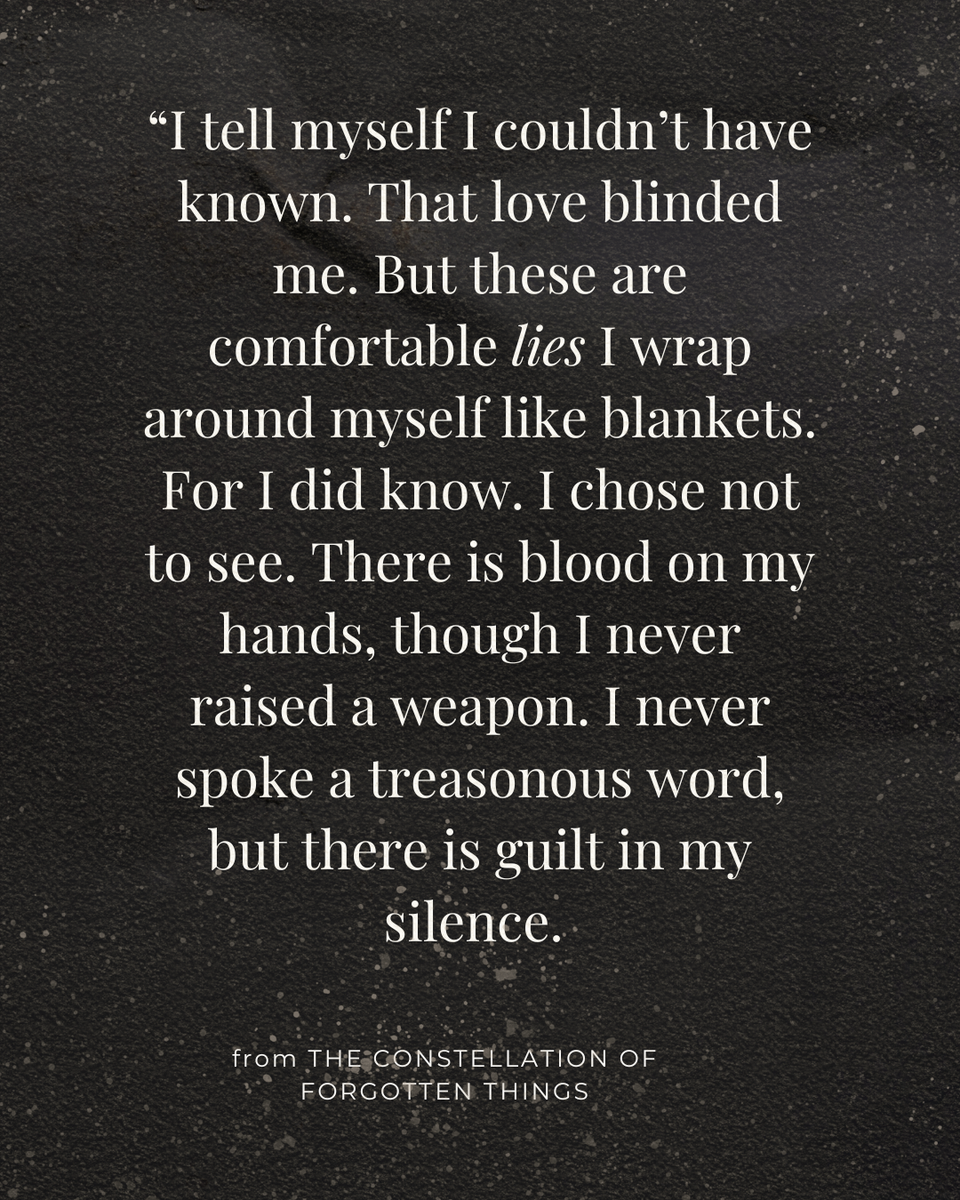
When grief comes to knock on your door again,
This post is for subscribers only
Subscribe to continue reading
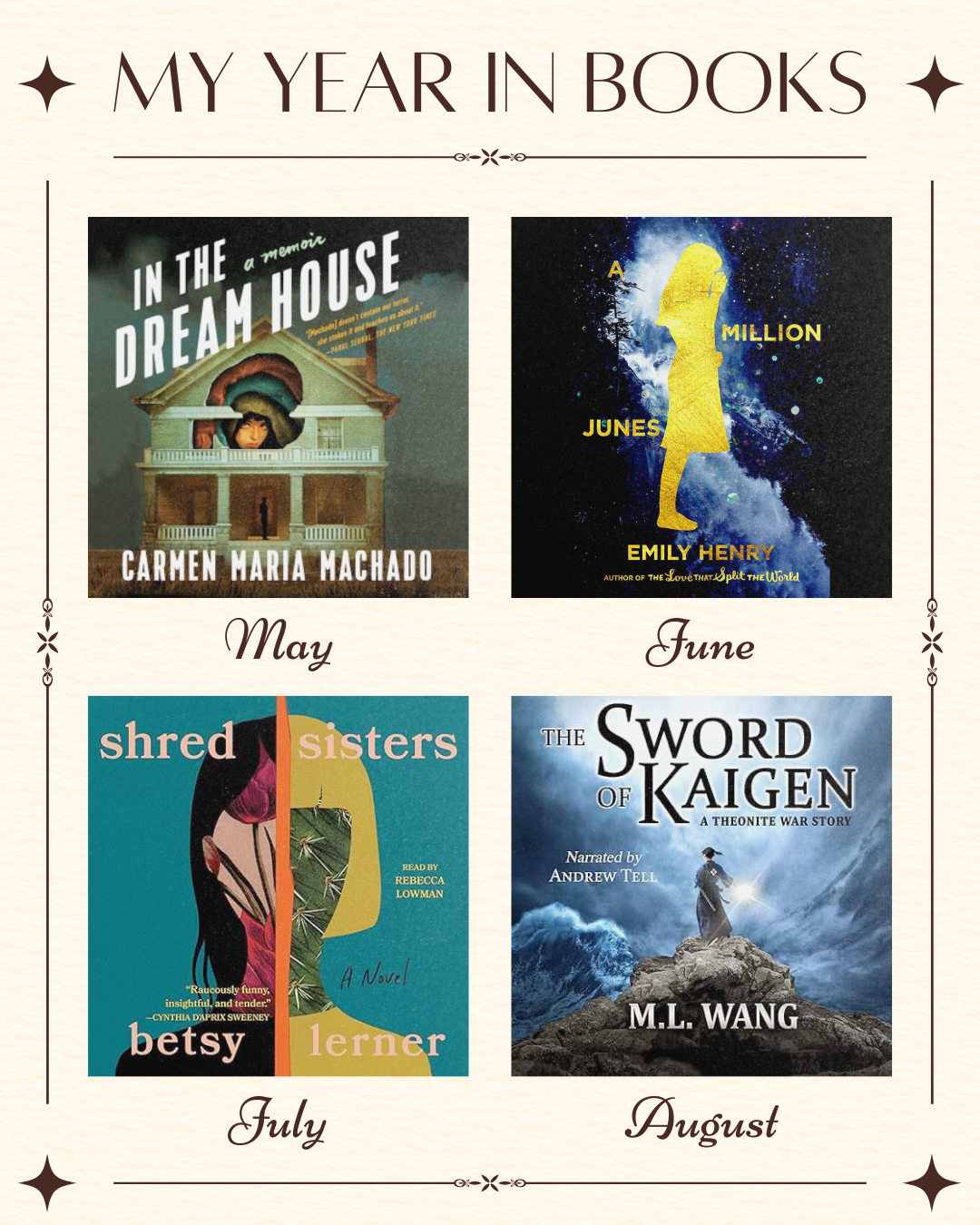
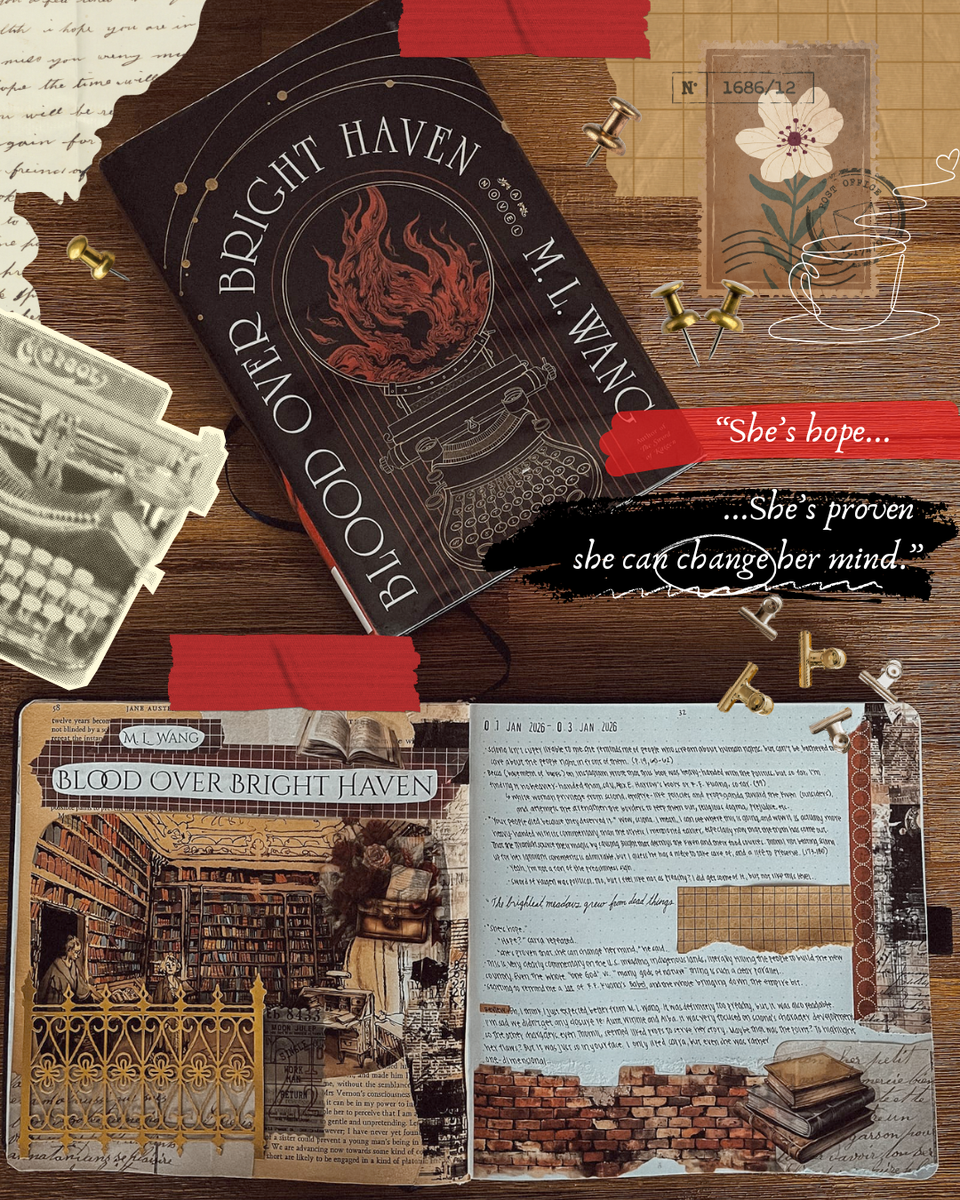
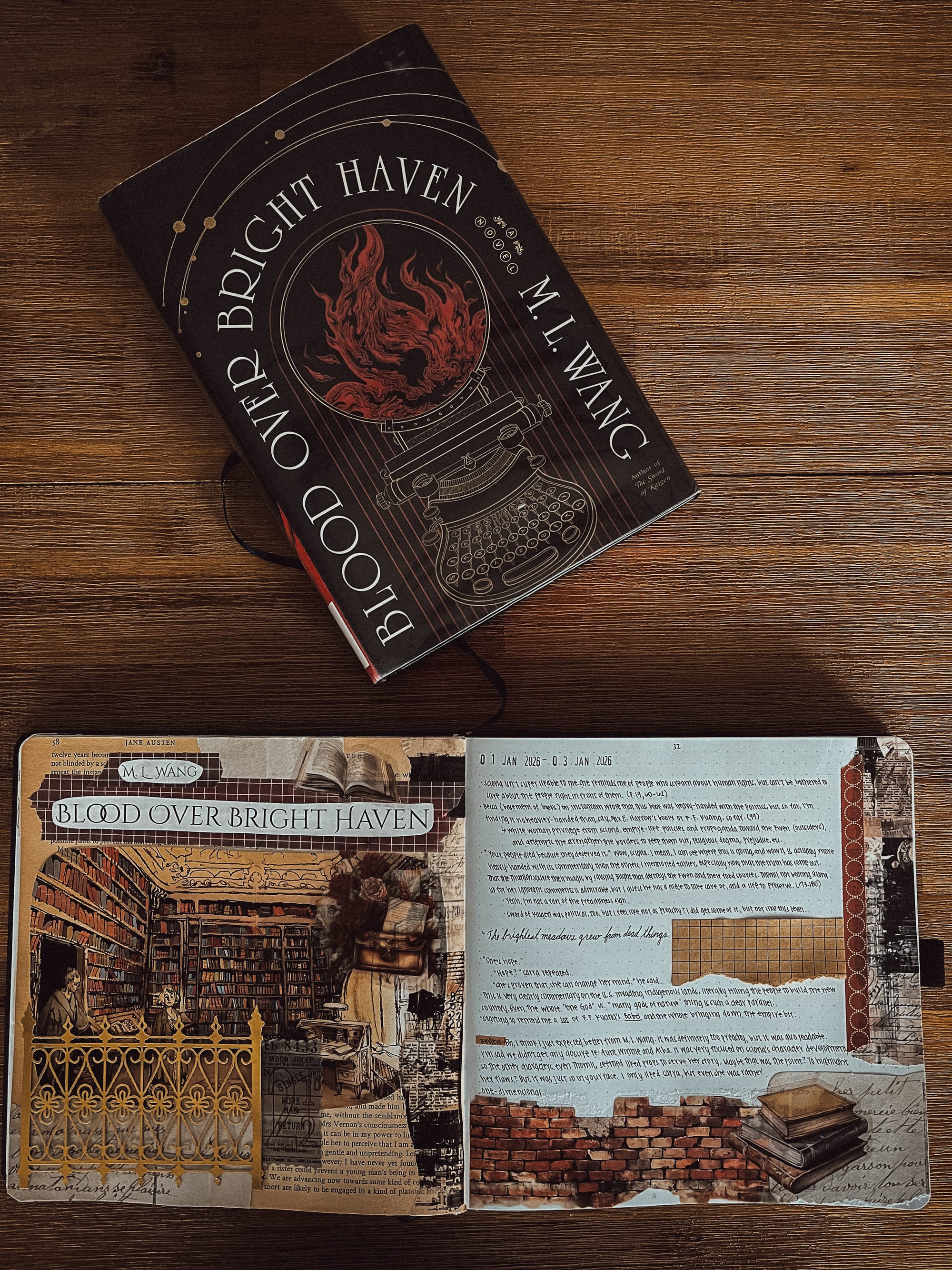
Eh. I think I just expected better from M.L. Wang after The Sword of Kaigen. This one was way too preachy. I have to give credit where it is due, however: it is a readable book, and not difficult to get through at all, nor boring.
(spoiler)
I'm sad we didn't get any closure with Aunt Winny and Alba.
(end of spoiler)
But that's exactly what I mean when I say it was just eh. Blood Over Bright Haven was excessively focused on the main character, Sciona, and her character development, that everyone else—including the secondary character, Thomil—just seemed like props to be used in service of her growth. Perhaps that was the point of the book? The one-dimensional characterisation of all the other characters wouldn't have taken me quite by surprise, except that in The Sword of Kaigen, the characters were much more thoroughly fleshed out.
Which makes me wonder if Wang intended to write the book this way all along.
Because the other thing is, she has a clear agenda in this book; it's extremely preachy to the point of being infuriating. The parallels between Tiran's oppression of the Kwen, and the U.S. of the indigenous and other minorities (and willful ignorance of the human costs to live in such luxury compared to the rest of the world), are obnoxiously blatant.
I deeply dislike when authors do this—treat readers like they can't understand their point unless they shove it down readers' throats, that is—it drives me mad. That's another reason why I didn't enjoy it as much.
However, if the point was to be preachy and drive her point across, keeping everyone except Sciona flat makes sense. Sciona is the one who must come to terms with her white privilege, face the atrocities she and her people have committed on other peoples, both knowingly and unknowingly, and have a reckoning with herself and all she has ever known.
By showing us the process, Wang puts on display how agonising it is, how it can literally bring someone to the brink of death—and yet, free them all the same.
I find this quote to sum up the overarching theme of the book well:
"She's hope."
"Hope?" Carra repeated.
"She's proven that she can change her mind," he said.
So, my personal enjoyment aside, perhaps in spite of what I dislike about Blood Over Bright Haven, it's not about that; it's about the hope of people in power being willing to change, and give justice to those they've harmed.

The writing is beautiful and I enjoyed it. This isn't the sort of book you read quickly, and that's something I appreciate in my books.
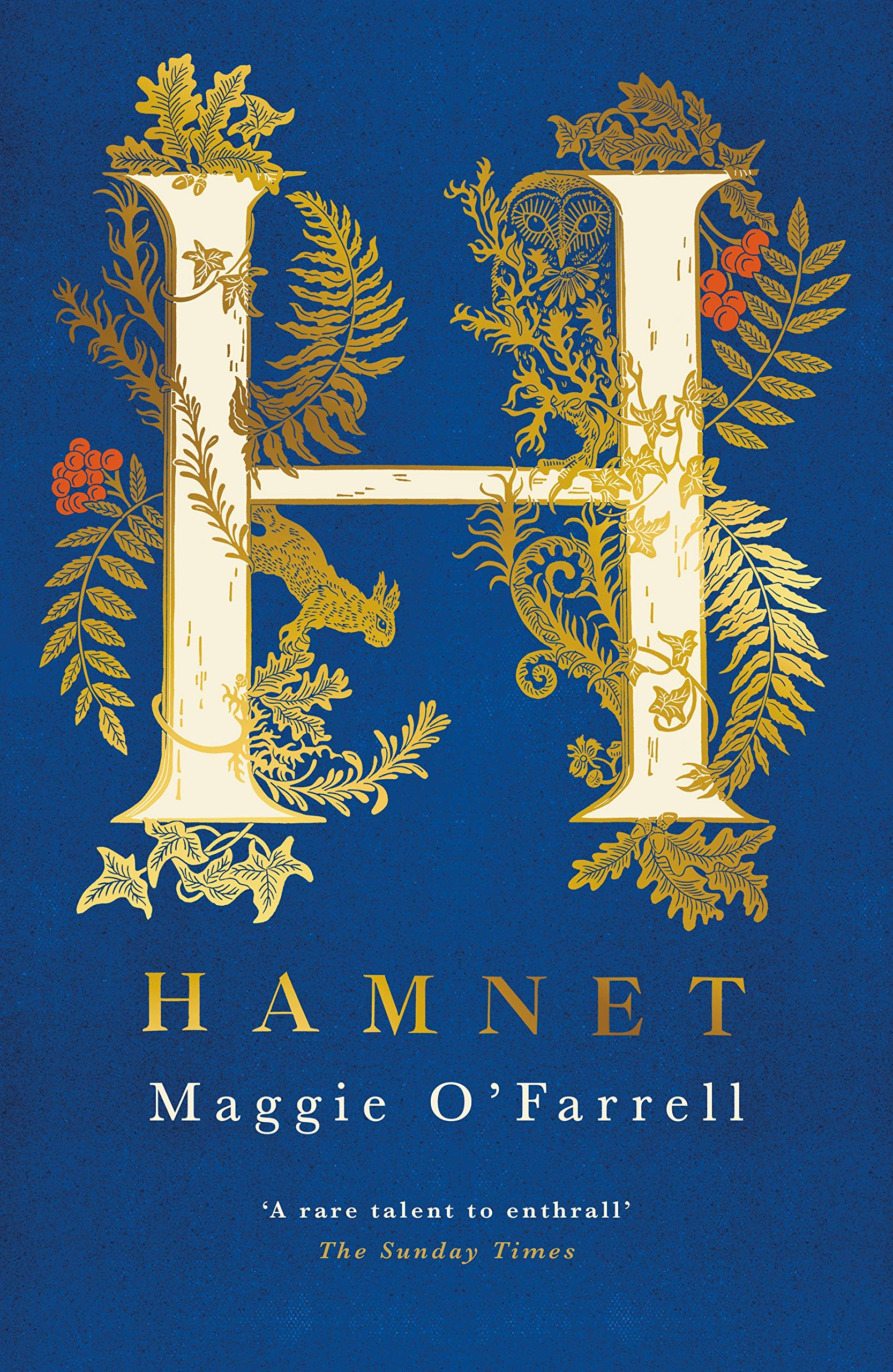
That said, the writing style is also such that it keeps the reader at some distance from the characters. I was personally happy with that, considering my own experience with child death; I never felt like Agnes's grief triggered or overwhelmed me. Instead, it was a meaningful and thoughtful exploration of what a child's death can do to a family, the surviving children, and a couple's marriage—all things I've wrestled with in my own life.
It's not often I read books that are this hyped up. I certainly don't expect to enjoy them, hence why it took me this long to finally read it. But this one, this one will stay with me for a long time.
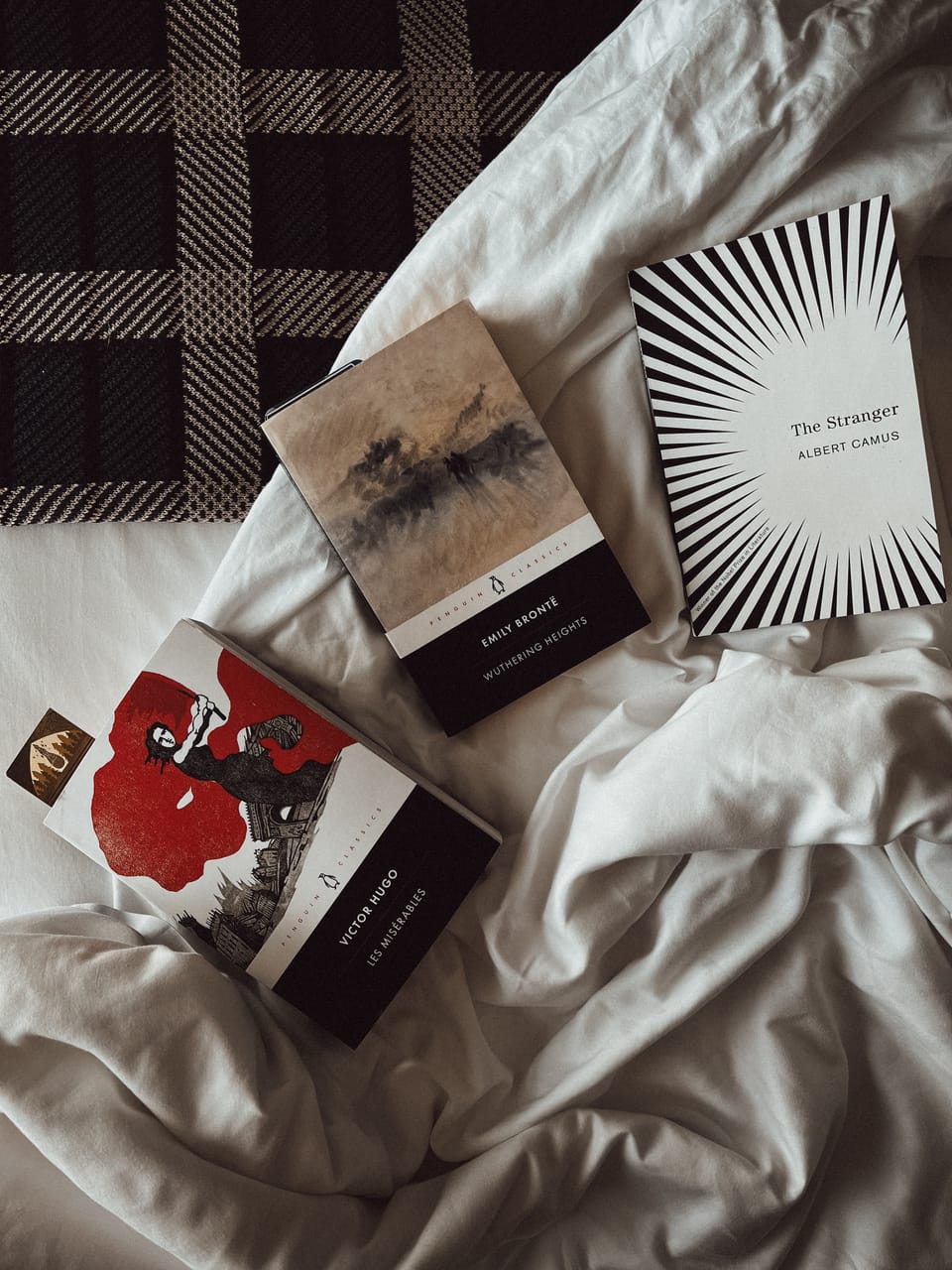
I should have known better than to read this book when I'm already emotional and grieving, but oh, what a book. It brought back nostalgic feelings of the wonder I had when I read The Lion, The Witch, and the Wardrobe for the first time, and The Secret Garden. These beautiful books that taught me, as a child, that magic existed in my ordinary world, if only I had the curiosity and eyes to look for it. The introduction talks about these books as inspiration, and it comes through in a wondrous way here.
The way S.E. Reid managed to craft this story from the eyes of a ten-year-old child is awe-inspiring. Her writing is always whimsical and atmospheric in the best ways. It transported me right back to those days when I was young and just wanted to be heard, to have a grown-up who would have a real conversation with me, to feel belonging somewhere. And of course, now that I'm a parent myself, I felt the ache from Pete, who was just trying to be the best dad he could be.
Ivy & Ixos is a master work in such a small book. It made my heart ache. I loved it.
Subscribe to continue reading
He just burst out laughing.
"I wonder where she got that."
Subscribe to continue reading
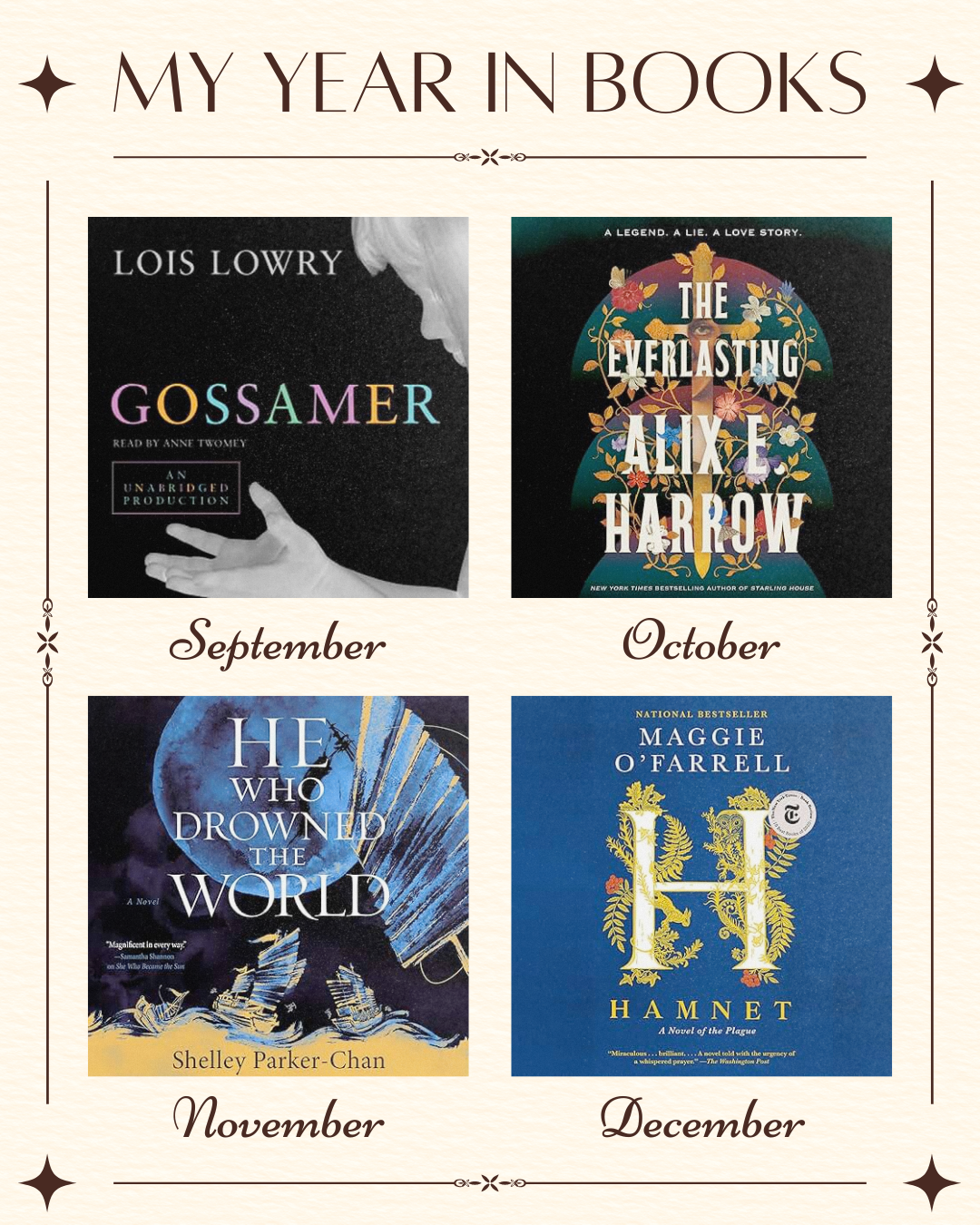
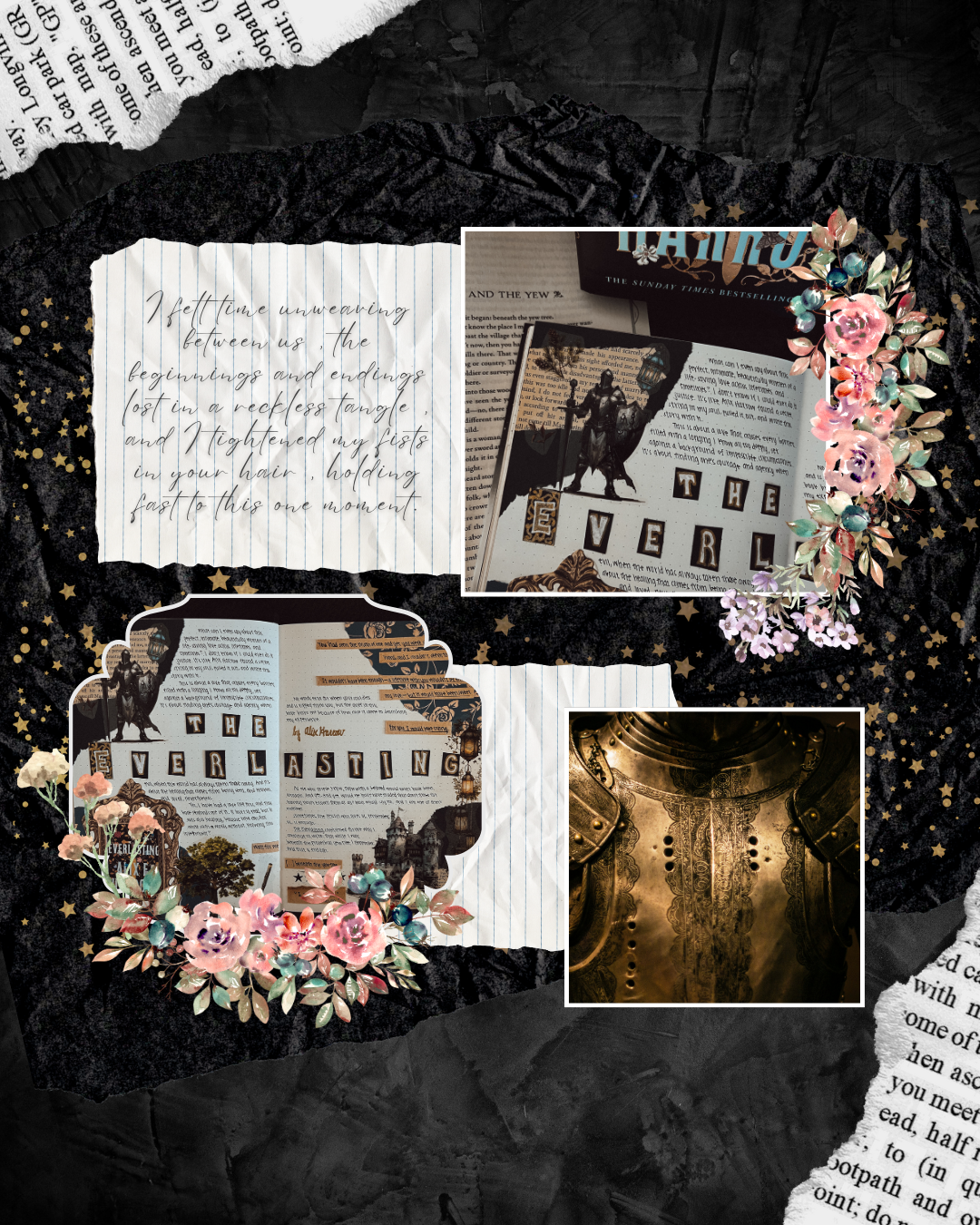
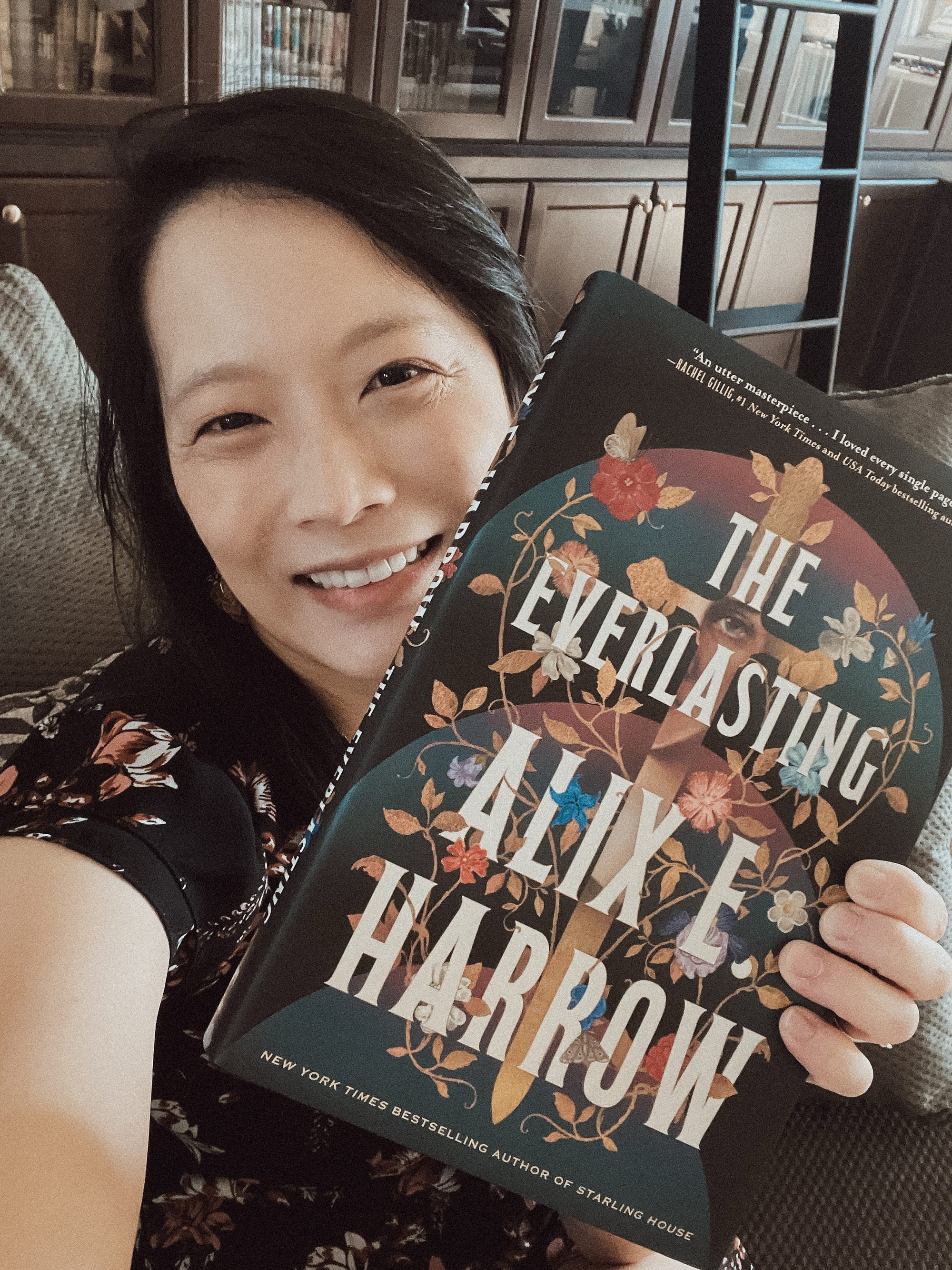
What can I even say about this perfect, intimate, beautifully written story of a life-saving love across lifetimes and timelines? I don't know if I could ever do it justice. It's like Alix Harrow found a secret string in my soul, pulled it out, and wrote this story with it.
This is about a love that crosses every barrier, filled with a longing I know all too deeply, set against a backdrop of impossible circumstances. It's about finding one's courage and agency when evil and the world has always taken those away. And it's about the healing that comes from being seen, and known, and loved, nevertheless.
Yes, I have had a love like this, and this book reminds me of it. It hurt to read, but it was also healing, because how can Alix write such words without knowing this love herself?
No words exist for when half your soul dies and is ripped from you, but the grief in this book broke me because of how close it came to describing my experience.
As we who grieve know, time with a beloved would never have been enough. And yet. And yet. Would we have traded that short time for having never known them at all? Most would say no, and I am one of their number.
Sometimes on person who loves us, remembers us, is enough.
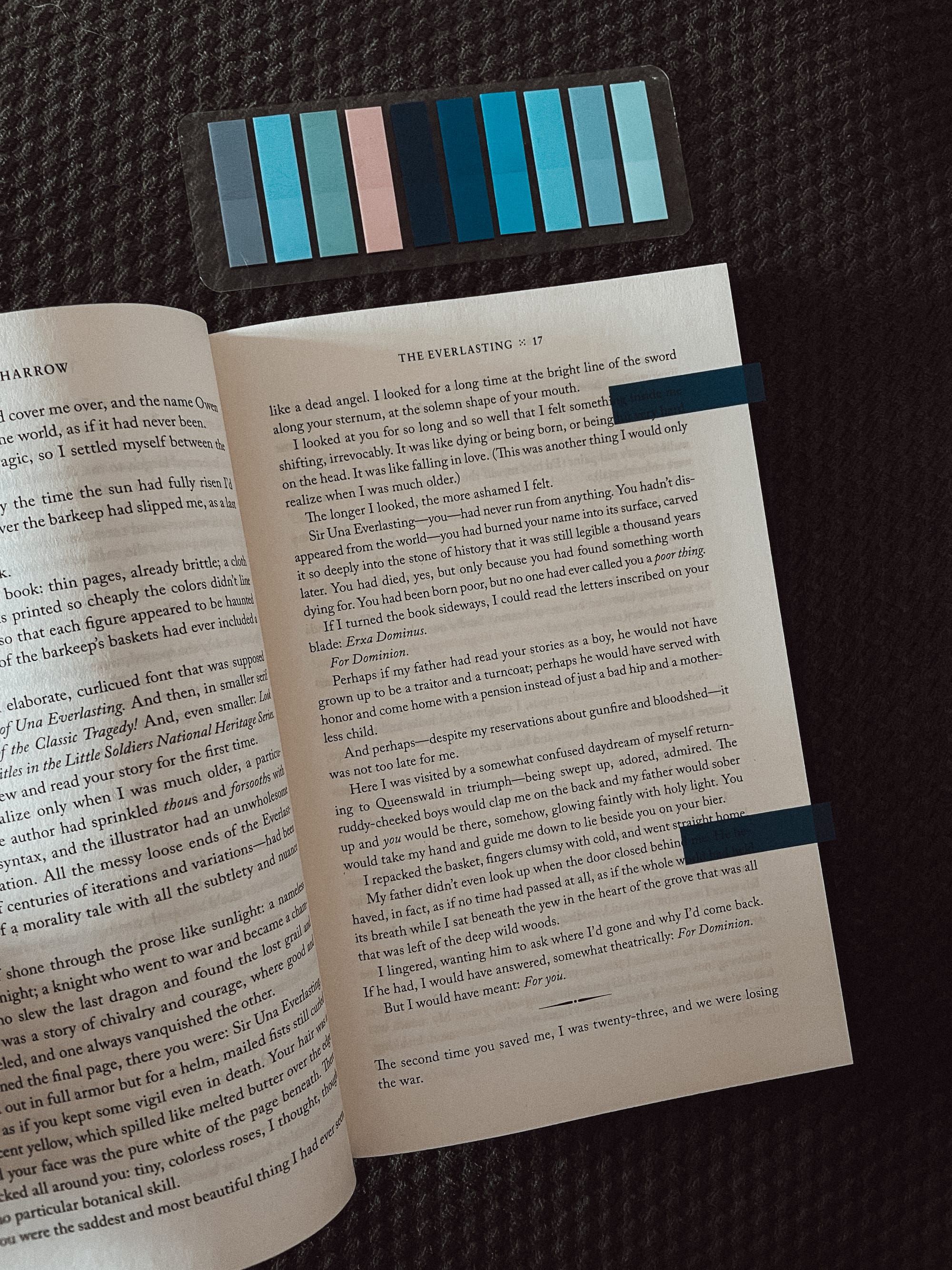
The Everlasting confirmed for me why I continue to write: that while I wait beneath the proverbial yew tree, I remember him. And that is enough.


On the side wall of our classroom, Mr. Billings would put up pieces of writing we wrote that he thought were particularly powerful.
A short story I wrote made it up there once.
I thought, maybe I could be a writer.
He made us read depressing books about injustice. He forced us to look past personal biases to discern the heart of a person. He walked us through the idealism toward government and disillusionment and what it might look like to fight for our ideals anyway.
Most people I talk to hated middle school.
Mr. Billings is one of the reasons I loved it.
He taught me how to think for myself, how to look beneath the surface of things. And he believed in me.
Wherever he is in the world, I hope he knows his encouragement kept me writing to this day.
Subscribe to continue reading

This is another reminder to myself, but also to you, to publish the thing, because somewhere out there is at least one person who will love it, and that one person is enough.
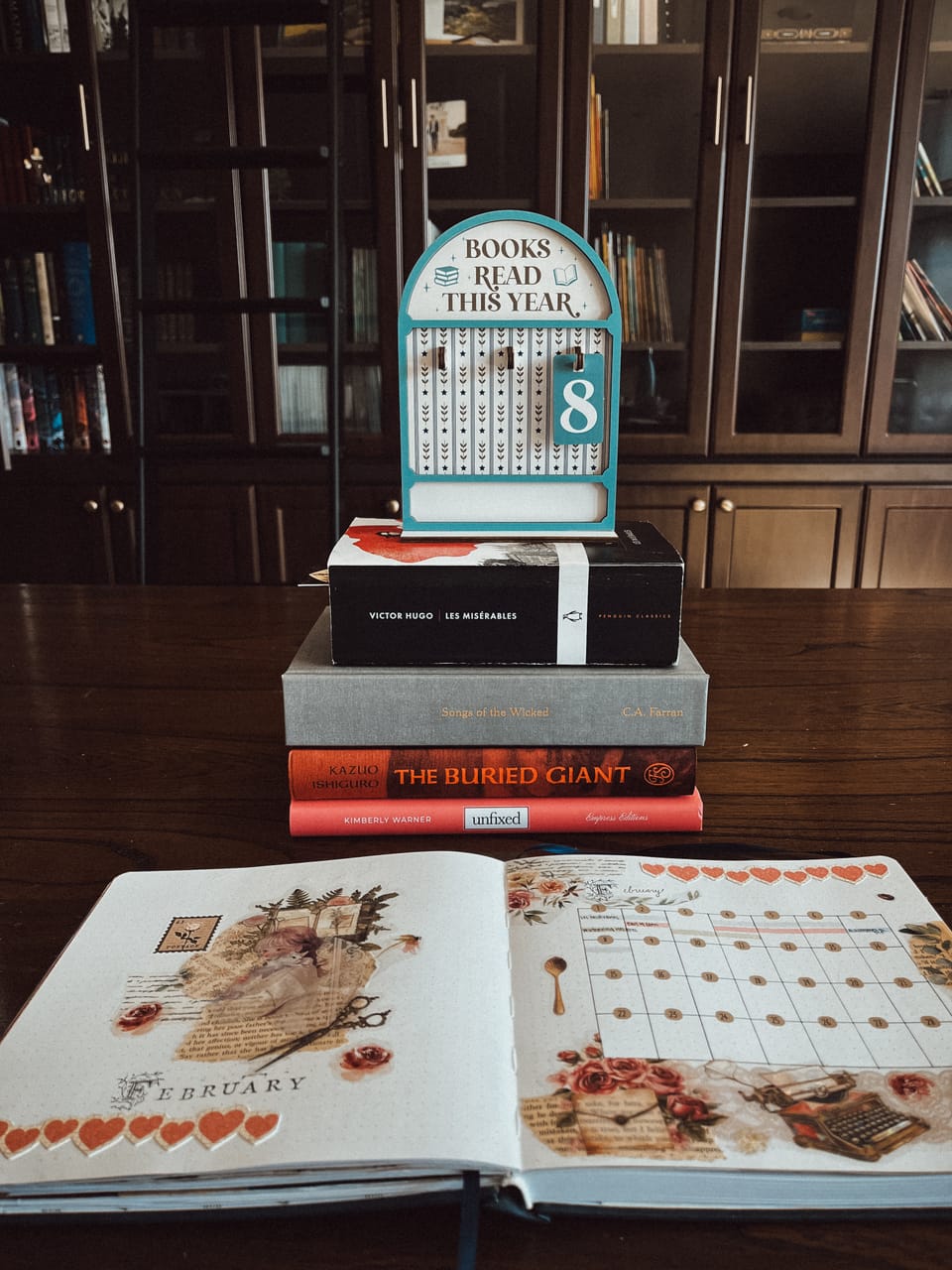
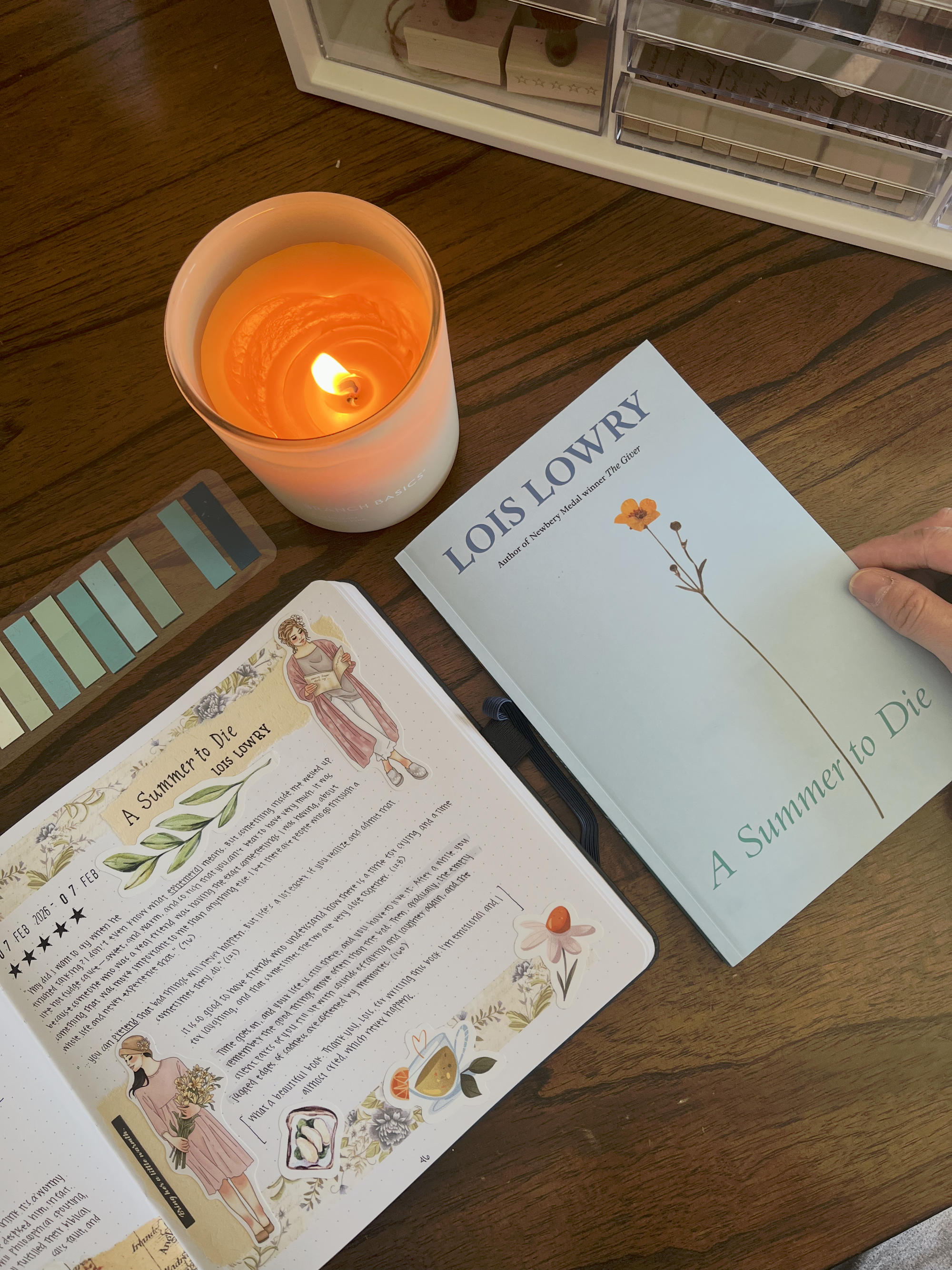
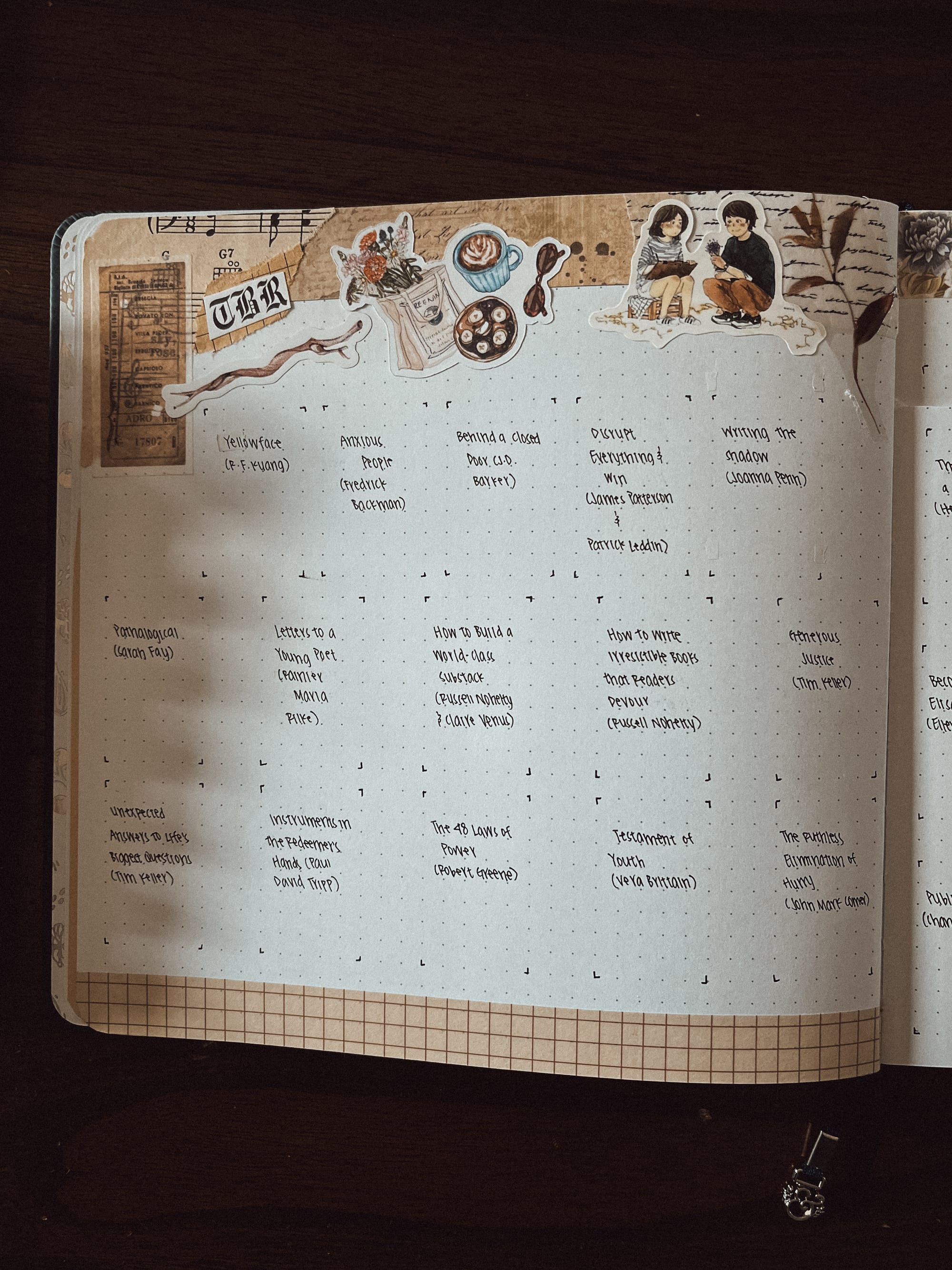
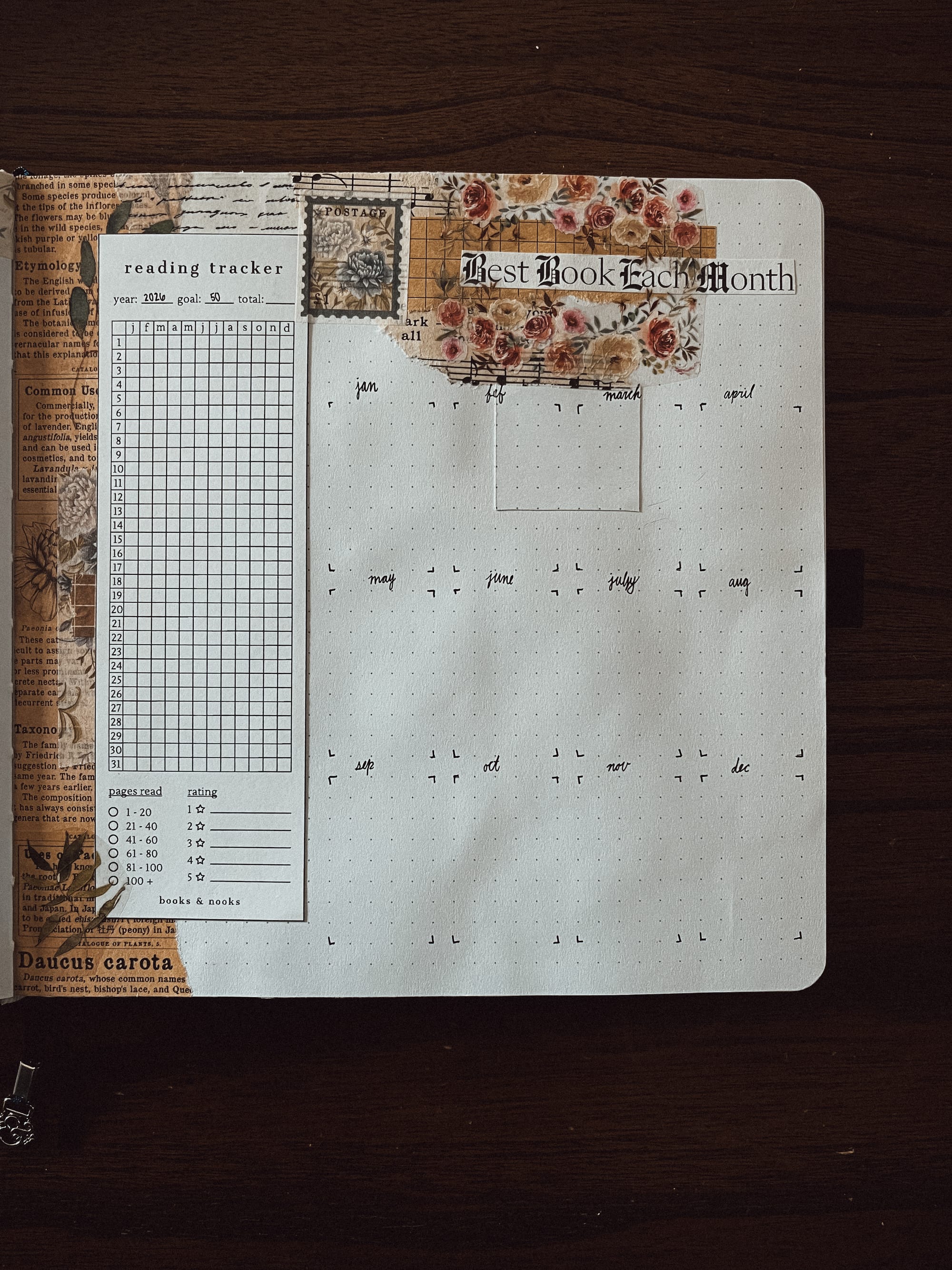
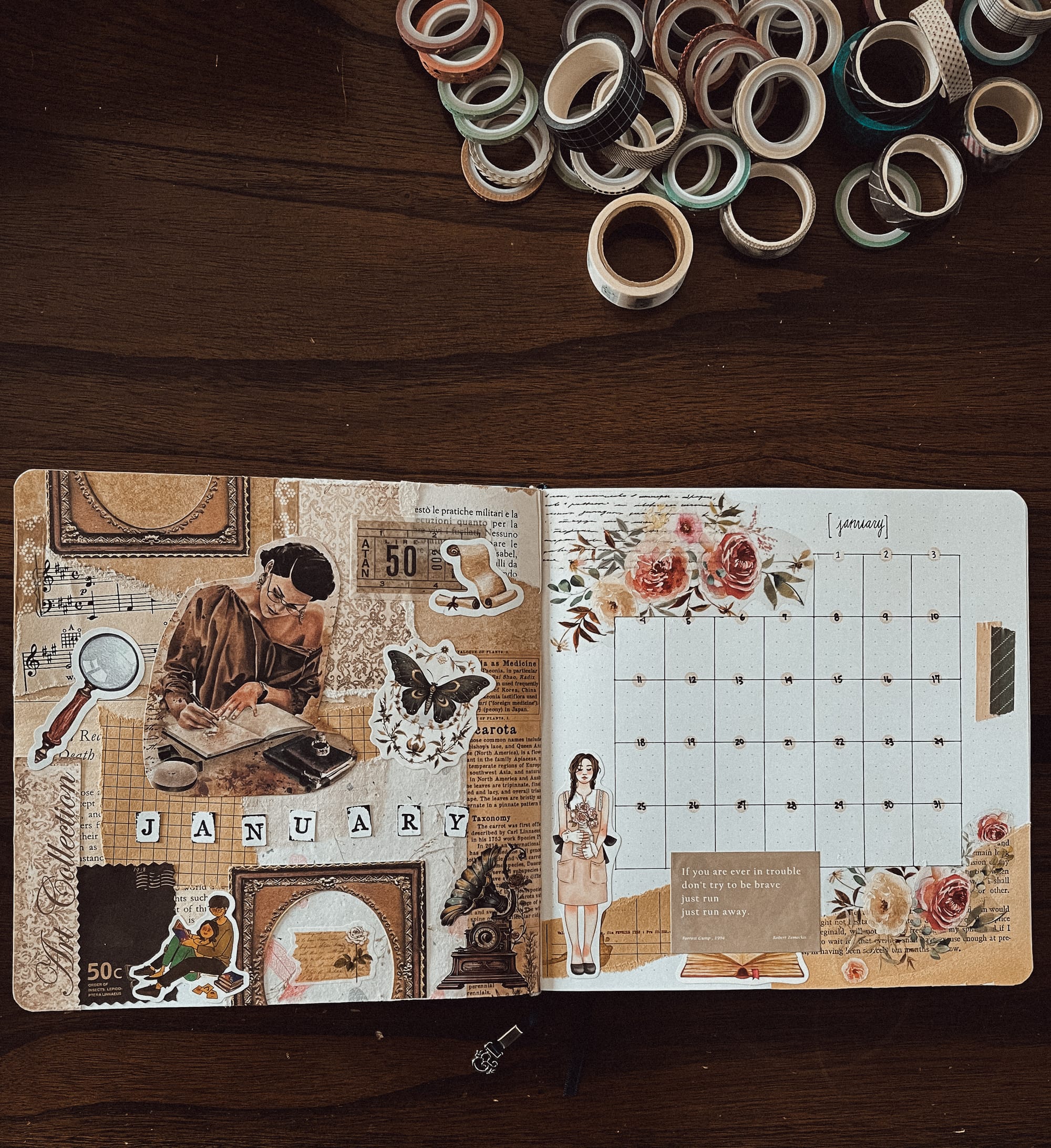
How do you track your reading? In the past, I've tried Goodreads, Storygraph, Italic Type (which I honestly liked the most for its aesthetic simplicity), and I use Pagebound a bit now, but at heart, I'm an analog girl.
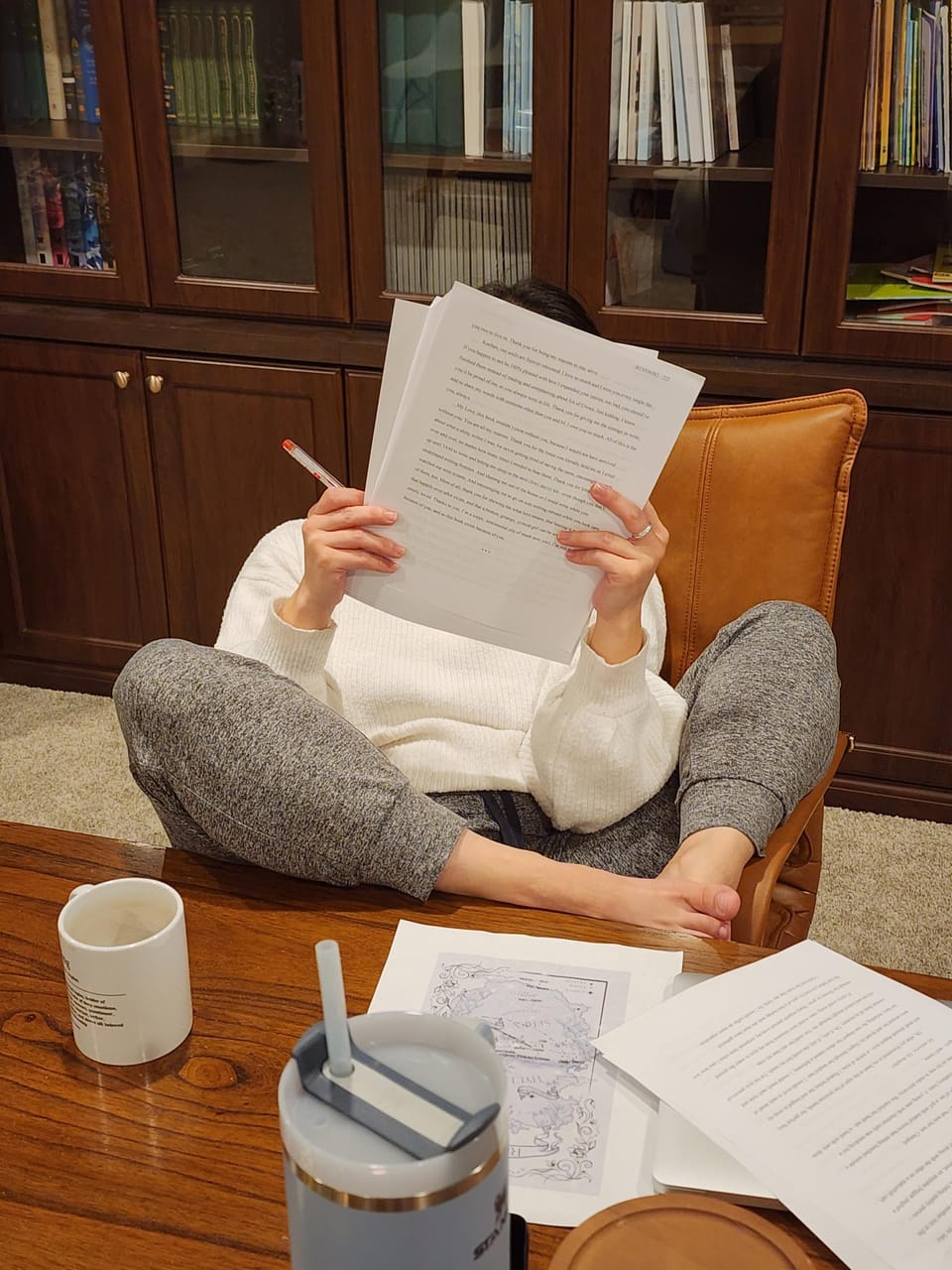
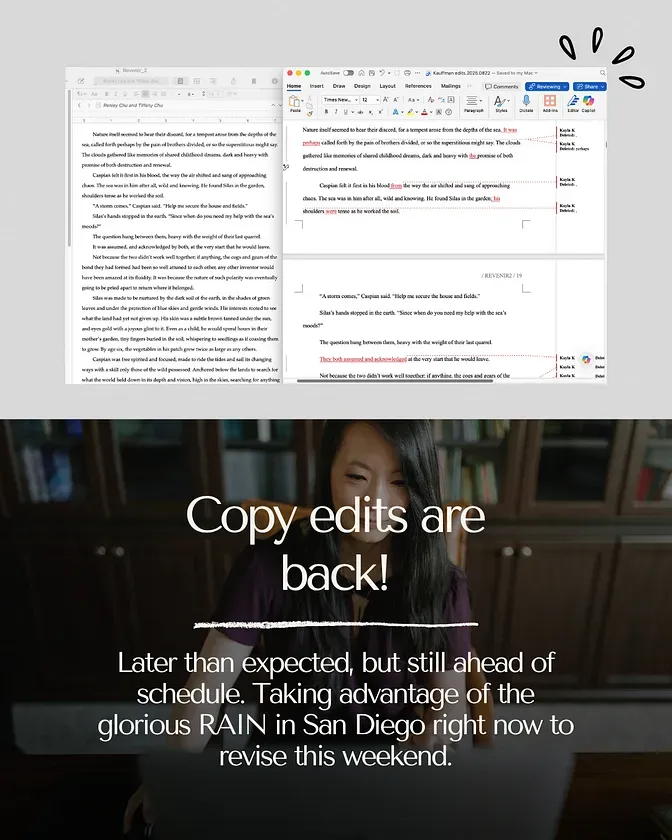
Now that I’m recovered (lol), it’s revising time (again), and then they’re off to S.E. Reid for the last stage! (always assuming I can let go of the thing)
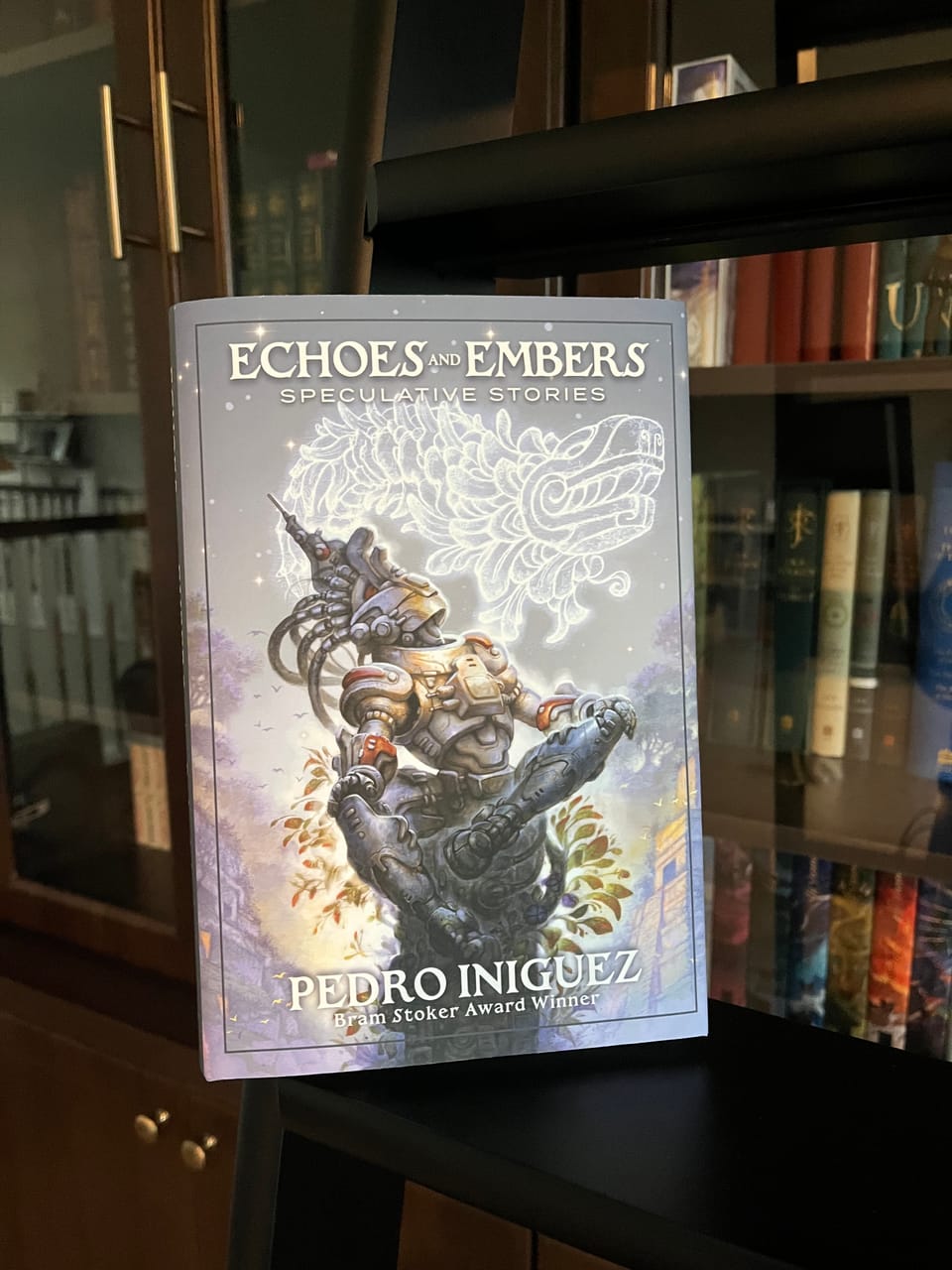
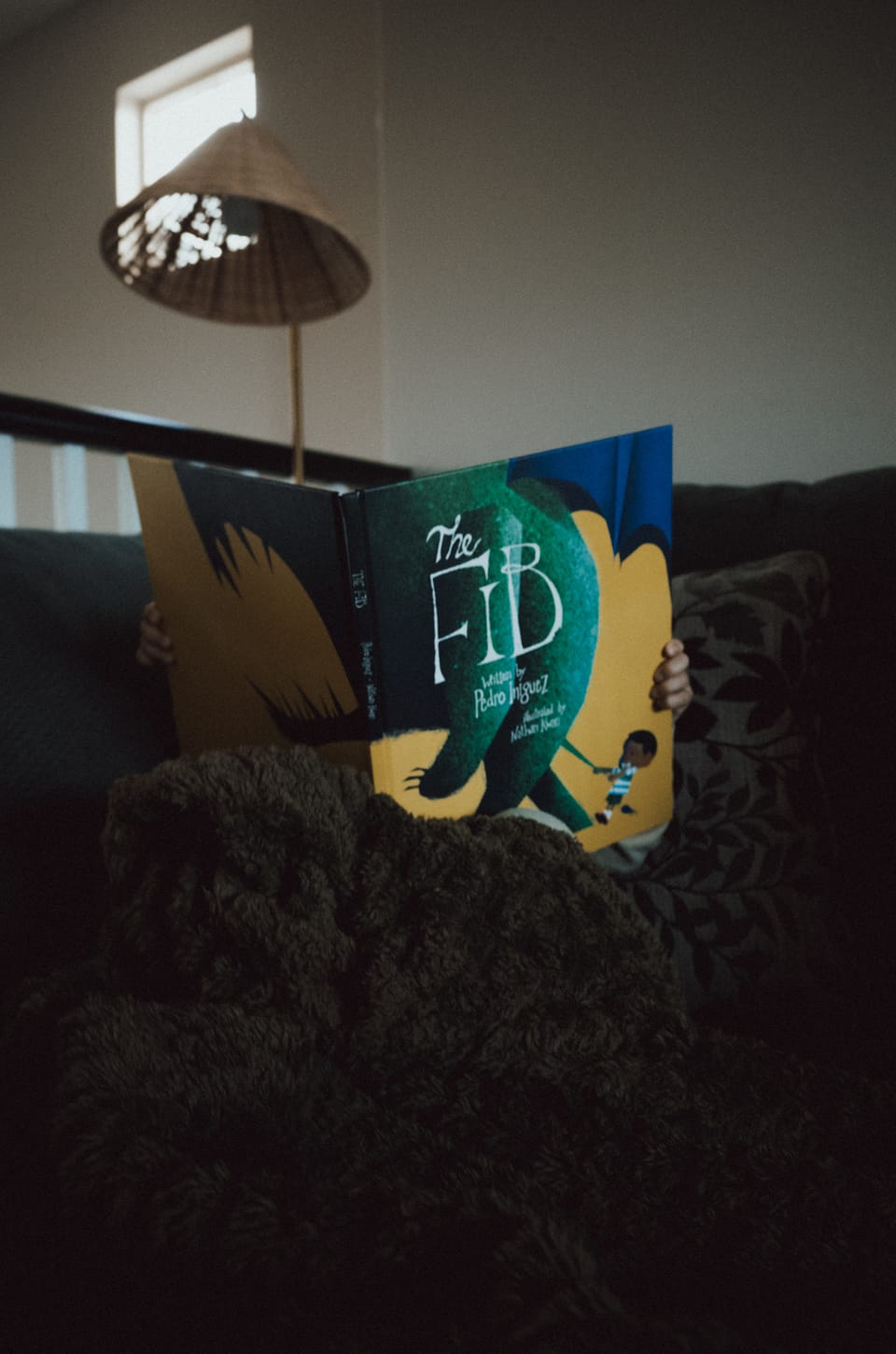
The Fib by Pedro Iniguez - an allegory about how a lie grows bigger and bigger. The toddler wants to read this almost every day! The illustrations are wonderful and fit the story so well.

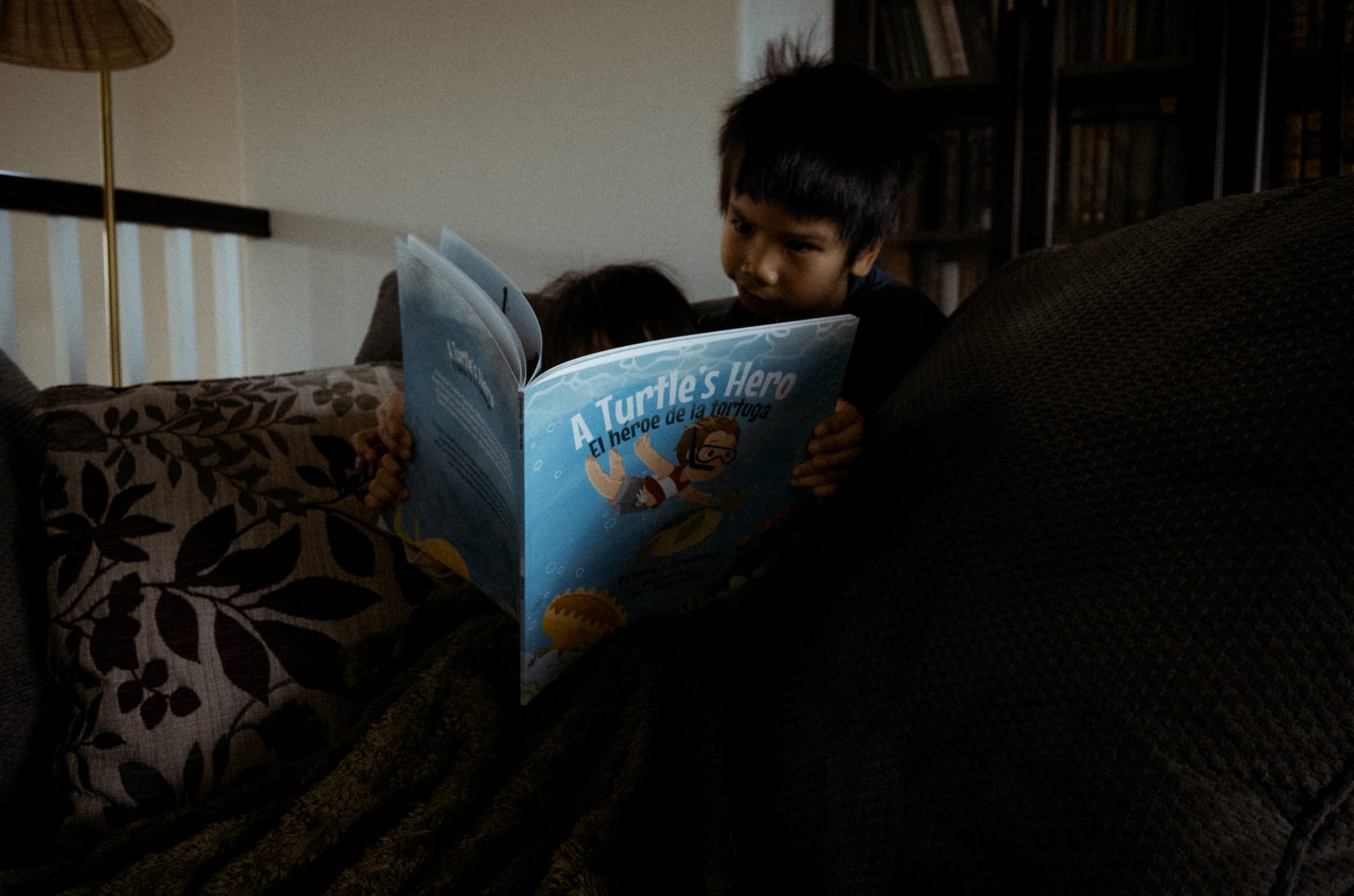
A Turtle's Hero by Maria Greenhalgh - a bilingual book (English & Spanish) about a boy who saves a turtle at the beach. It's about taking care of our oceans and beaches.
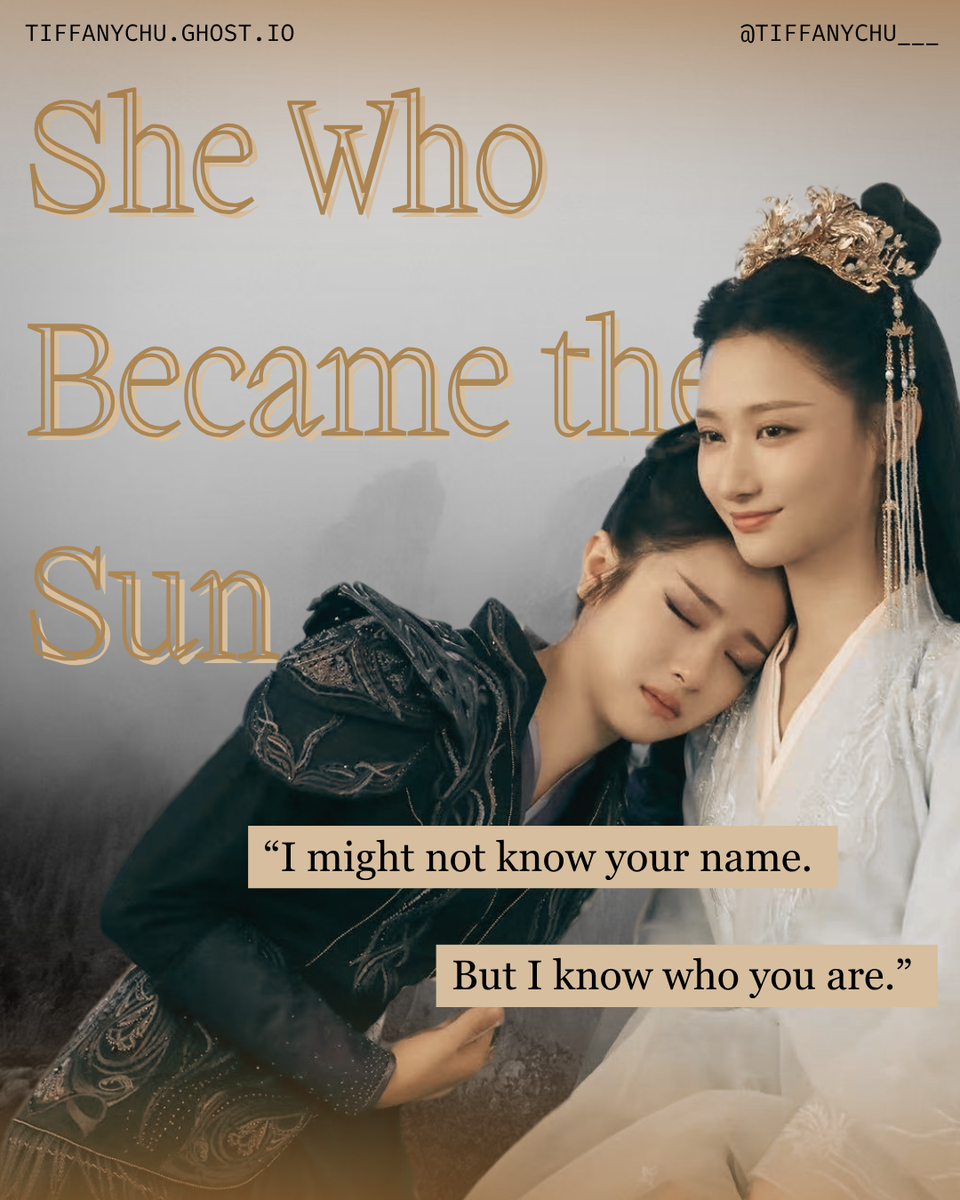
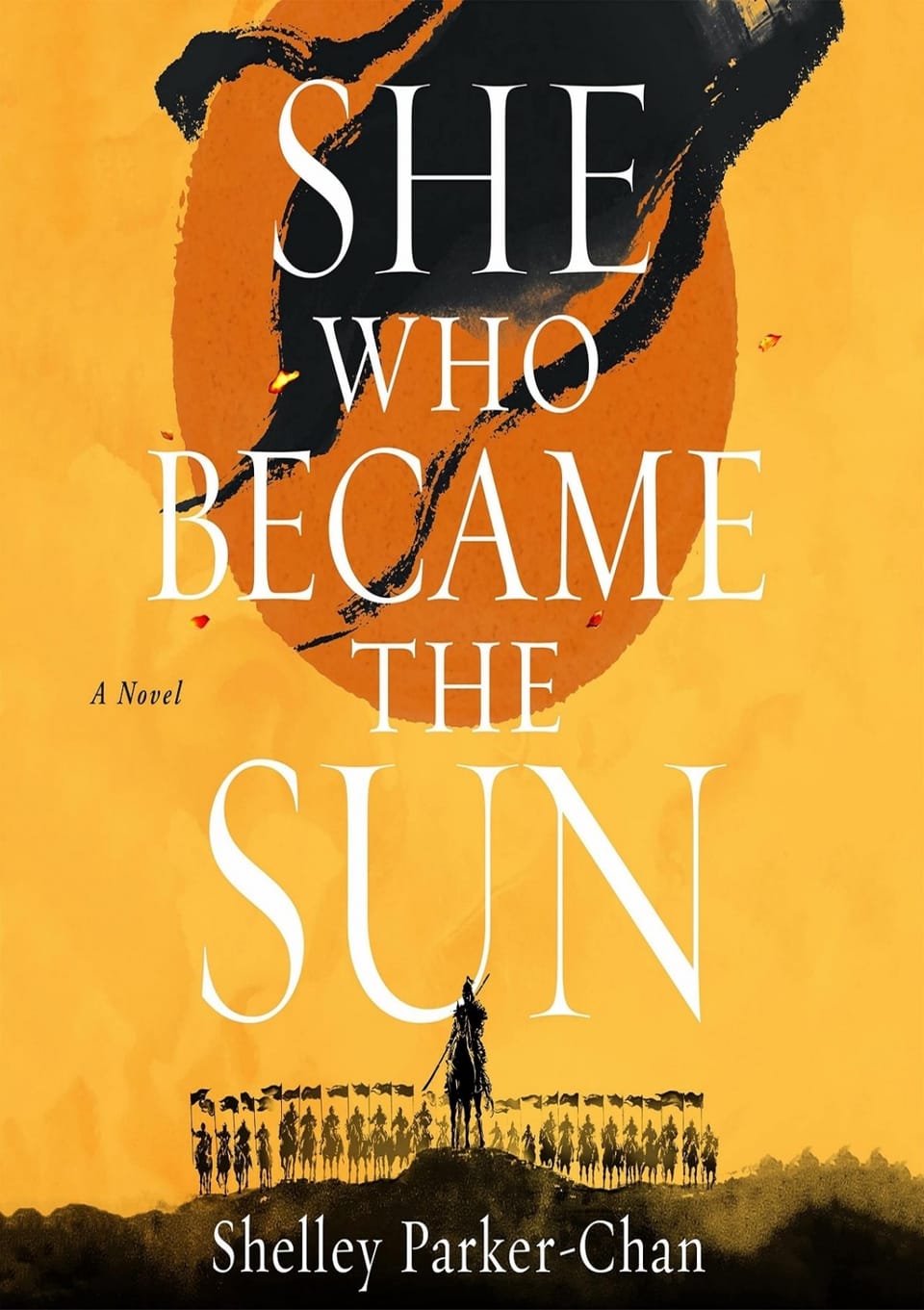
She Who Became the Sun is the underrated, unheard of book you need to read right now.
This book made my chest physically ache.
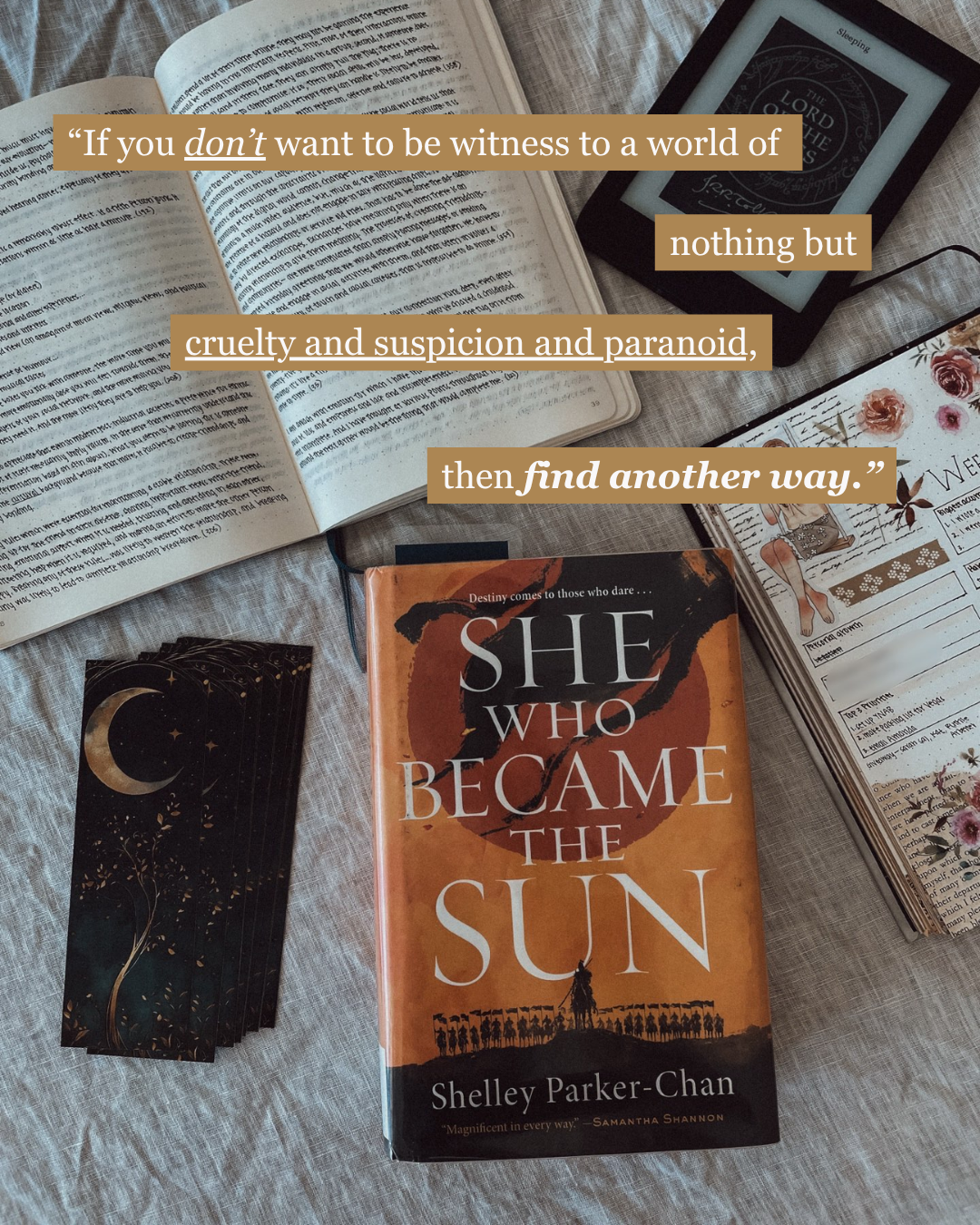
I wandered around the house dejectedly for an entire evening after finishing She Who Became the Sun by Shelley Parker-Chan. I'm STILL not ready for the sequel.
Historical fiction (barely fantasy) about the founding emperor of China's Ming Dynasty, but make it queer and subversive. Gray morally-sketch characters you'll somehow root for anyway. Writing so immaculate it made me want to write essays AND give up writing forever.
Is it perfect? No. (The POV-jumping got me.) Do I love it anyway?
Absolutely.
Have you read this? Should I dive into the sequel or give myself more recovery time? 😭


😂 Just by saying that the fiction circle here is the best! (which it is)
Which also goes to show that as AI tries to take over the world, people are still craving these simple things:
If your writing can do that, especially in digital spaces, you’re a step ahead of many others.
It's all about personal preference. From my perspective, I view reading as a conversation between author and reader, so I, as a reader, ought to at least make a good-faith effort to understand what the author is trying to accomplish with their book. Bad reviews that focus on taste but clearly miss the point irk me (for example, when someone complains that a YA book are too simple when YA books are targeted to a younger audience, or mismatched genre expectations like a horror book being too scary—I've seen all kinds of iterations of these types of reviews).
A book can be a good book, but not for you.
A book can be a good book, but not for you at that particular time in your life.
That's not to say that readers aren't entitled to their opinions, but giving low ratings to books for not being what they weren't meant to be in the first place isn't fair to either the book or other readers who are actually looking for that type of book.
I'm also of the mind that if you give too many five-stars, when you come across books you really, REALLY love, you have no higher rating to give them (which is when you start seeing the "six-star books"). So I can see the argument for reserving five stars for truly exceptional books that leave a lasting impression on you.
All that to say, this is why I can't stand using stars anymore! 😂 Of course, you could get very granular and use .5, .25, etc., but why? (again, that's personal preference for me. If it's helpful for you, by all means, use it).
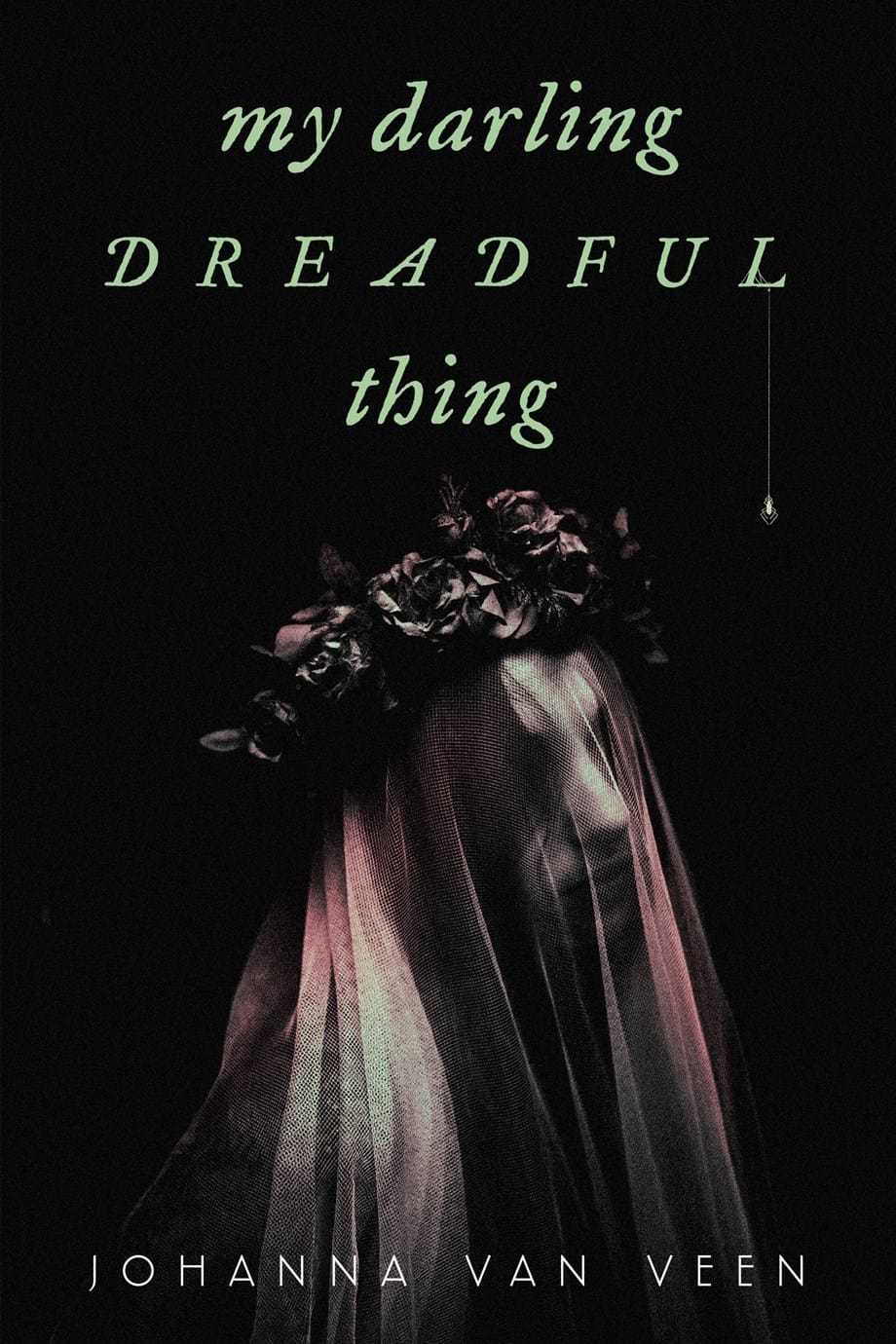
My Darling Dreadful Thing surprised me in the best way. Admittedly, I went into it with no expectations. All I knew was that the cover intrigued me (yes we judge books by their covers!). I appreciated the back and forth between the actual story and the interview between Roos and the doctor. Van Veen's use of an unreliable narrator in Roos worked extremely well—yet another exactly of a book that utilised the, "Is she crazy or are there actually ghosts?" to great effect.
That's not what I really liked about the book, though. Instead, what lingered was the relationship between Roos and Agnes, and the strange, somewhat toxic love they grew to have. It made me think of how trauma sometimes destroys relationships, especially if one person pursues growth while the other remains stuck. I'm not sure if that was the message the author hoped to convey, but it's what I was left with in the end.
The atmospheric descriptions made for a delightfully creepy read, perfect for autumn nights when you're not quite sure if the house is creaking or if there are old spirits wandering in the dark.
Welcome home, reader 📚
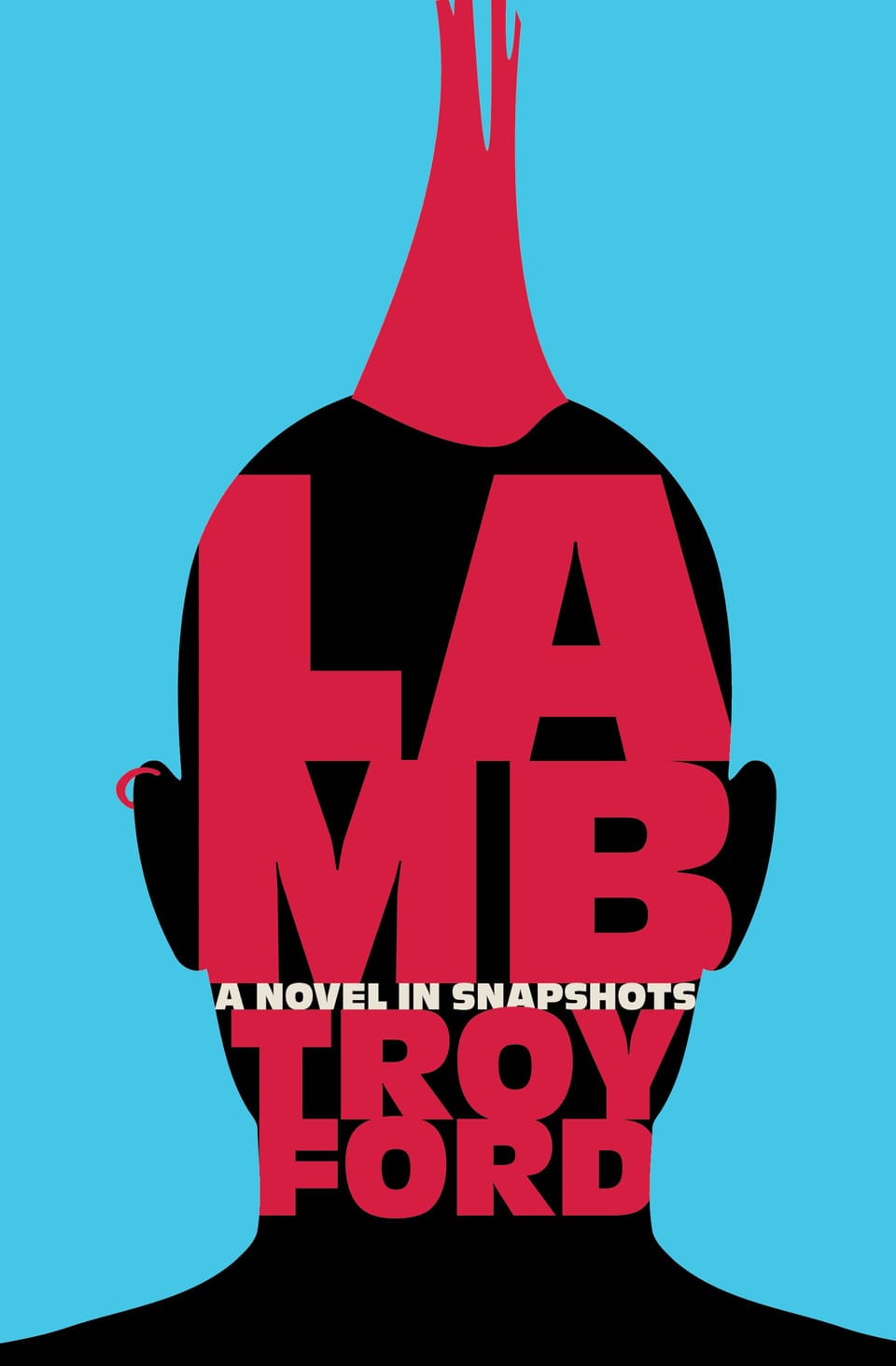
While I expected Lamb to break my heart, I didn't quite expect it to turn it inside out and scoop out its contents in the visceral way it did. This book is brutal yet tender, just like the titular Lamb, and as the narrator, D, sifts through Lamb's belongings to understand him, I think he's also trying to know himself. The fragmentary, non-linear storytelling works well for the story, as D looks through the past.
We're left without an easy answer or resolution. In that way, it's a reflection of life and the illusory nature of memory - how uncertain it is.
The book vaguely reminded me of Hua Hsu's memoir, Stay True, which is also a reflection on a close friend's death (not a spoiler; it's the premise of both books). While the two books are wildly different in style, the hearts behind them are what made me think of it: growing up in a world that doesn't accept you, searching for belonging in the face of loss.
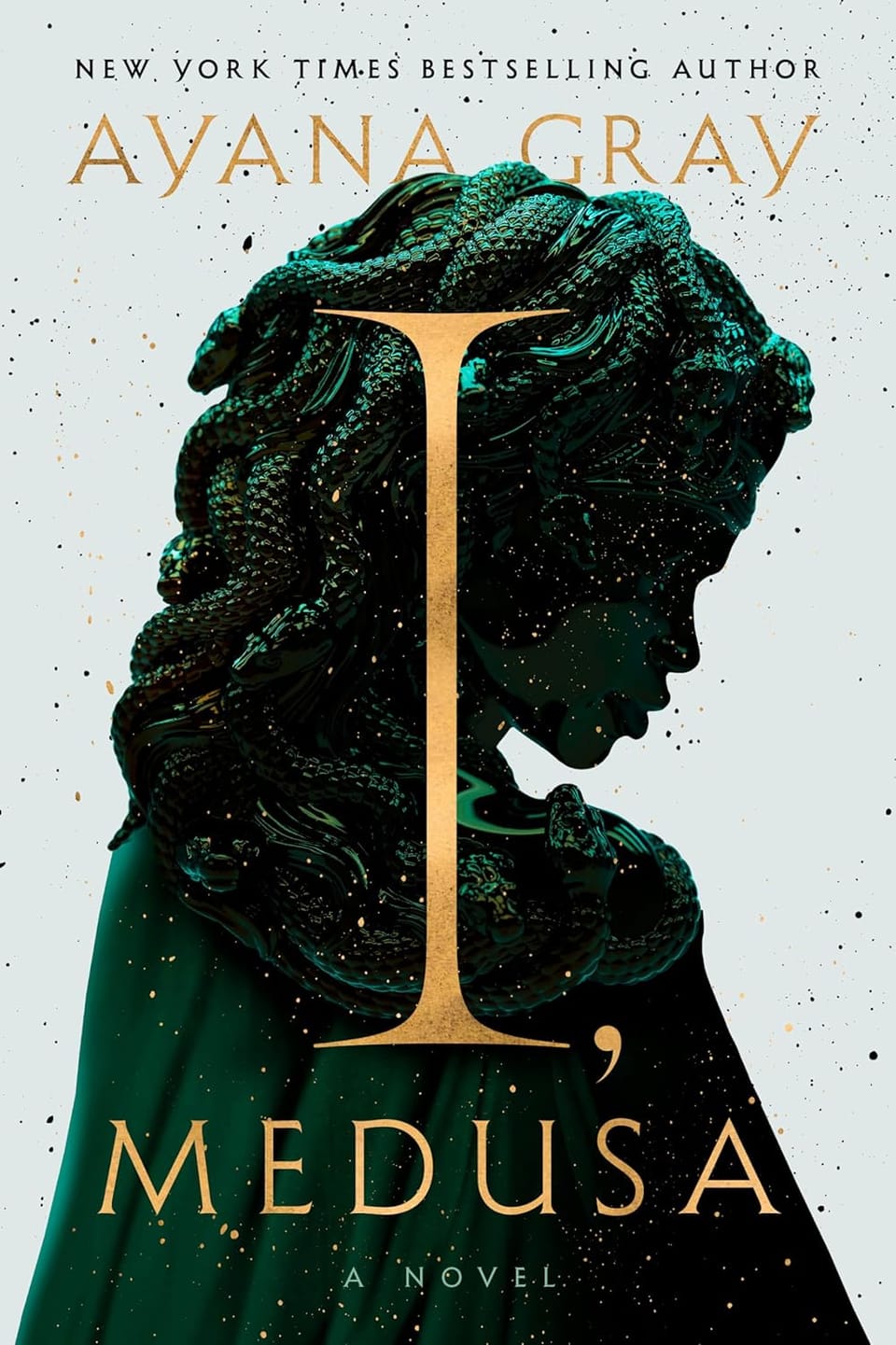
I, Medusa is a bold retelling of Medusa's story that puts agency back into her hands. There were elements I enjoyed while reading this book: the relationship between Medusa and her sisters, the reframing of Medusa's "coupling" with Poseidon through the lens of someone in power taking advantage of someone who was vulnerable. It's a quick and easy read that I completed in a day.
Medusa herself wasn't a likable character to me; she made mistakes (choices) that she refused to learn from, which harmed people she cared for again and again. Some may call that empowerment, but I'd call it selfishness. She's praised for these actions and punished in turns. By the end of the story, I wasn't left with the sense that she had learned anything at all.
Even though it's labeled adult fiction, Medusa's young age makes this book more appropriate for young adults, despite the darker content. The book's overarching themes of consent, power, and prejudice make this a relevant one for our time.
I will have words someday for what this book means, but not today.
COME ON, ALIX, HAVE MERCY!
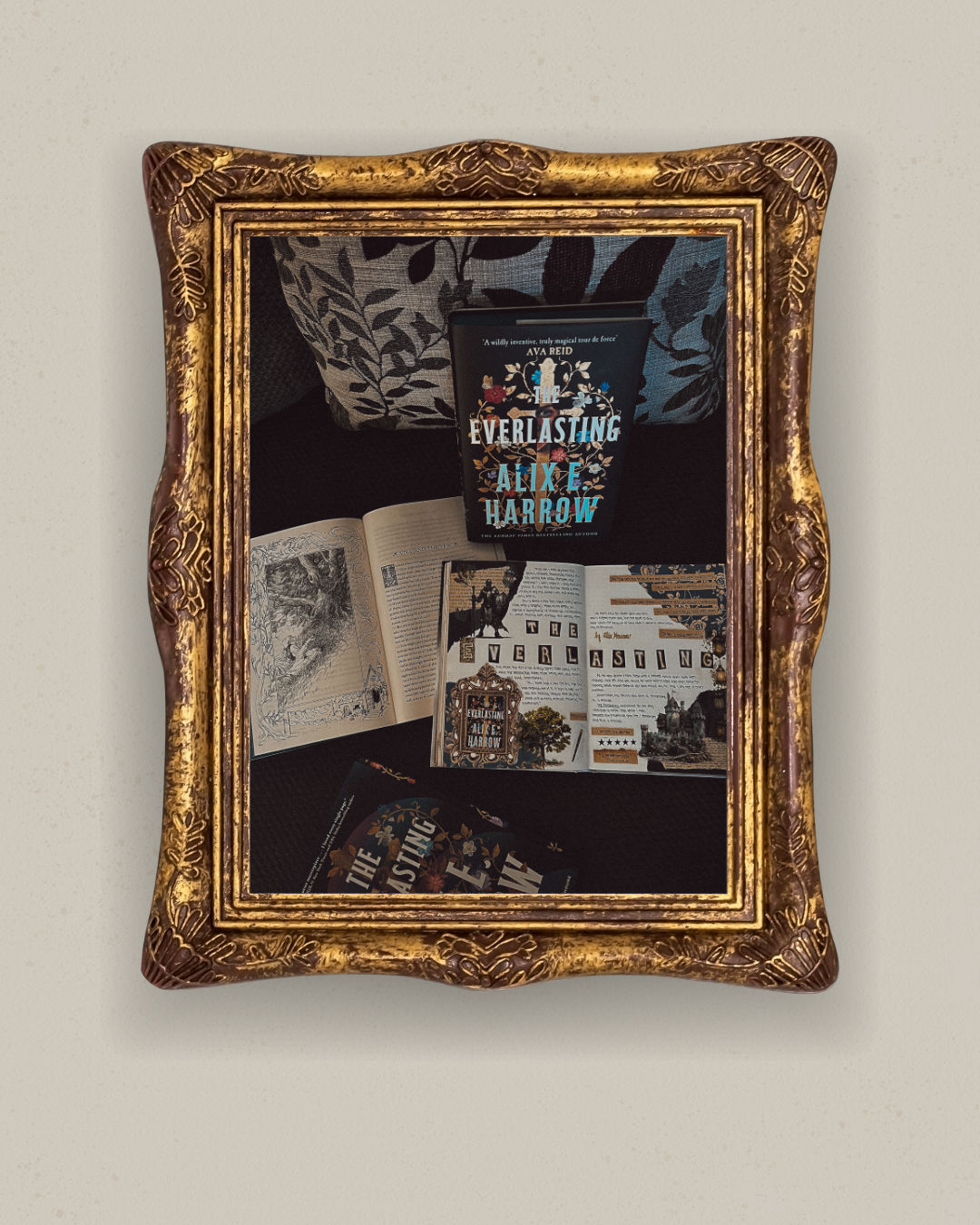
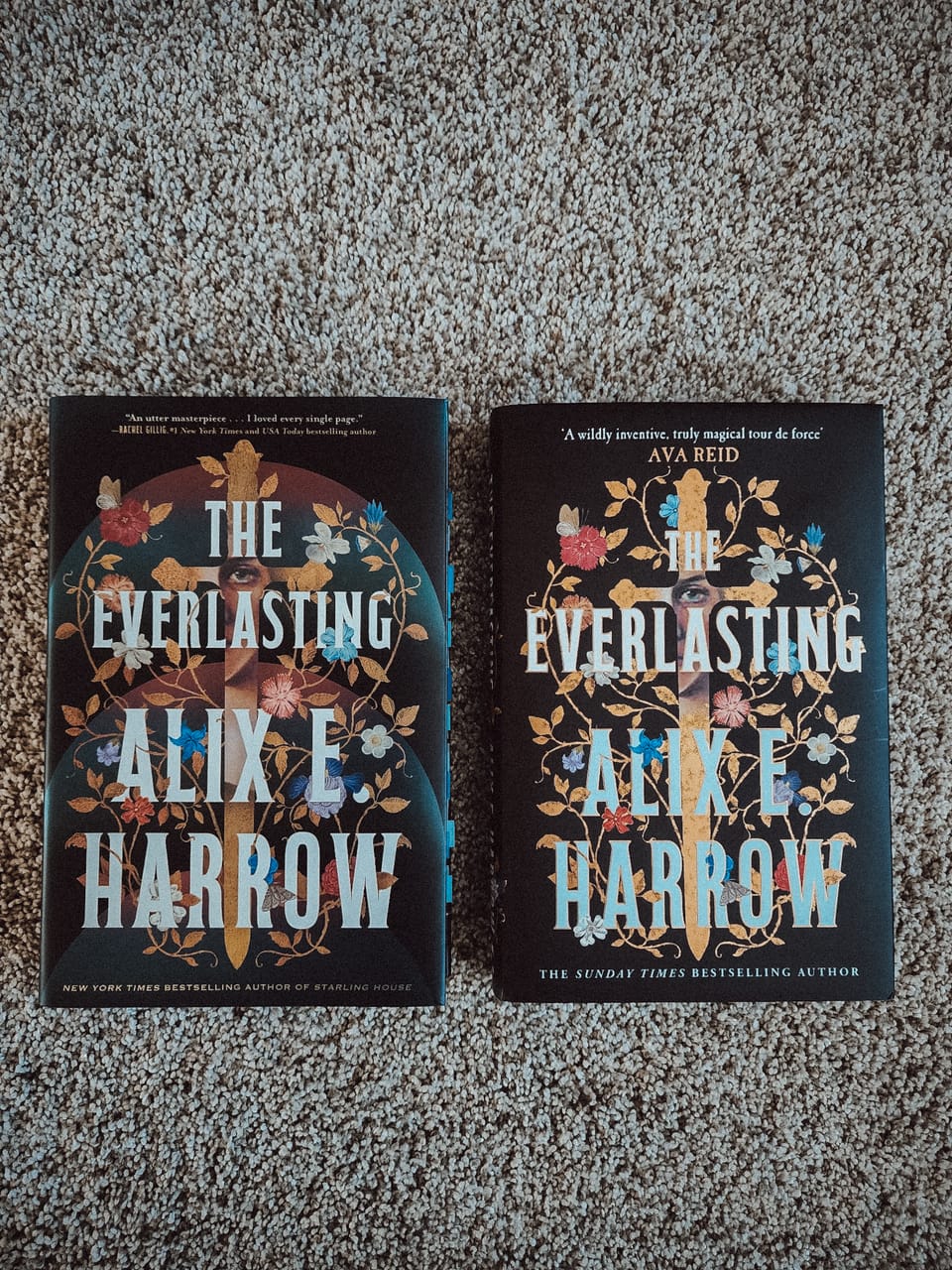
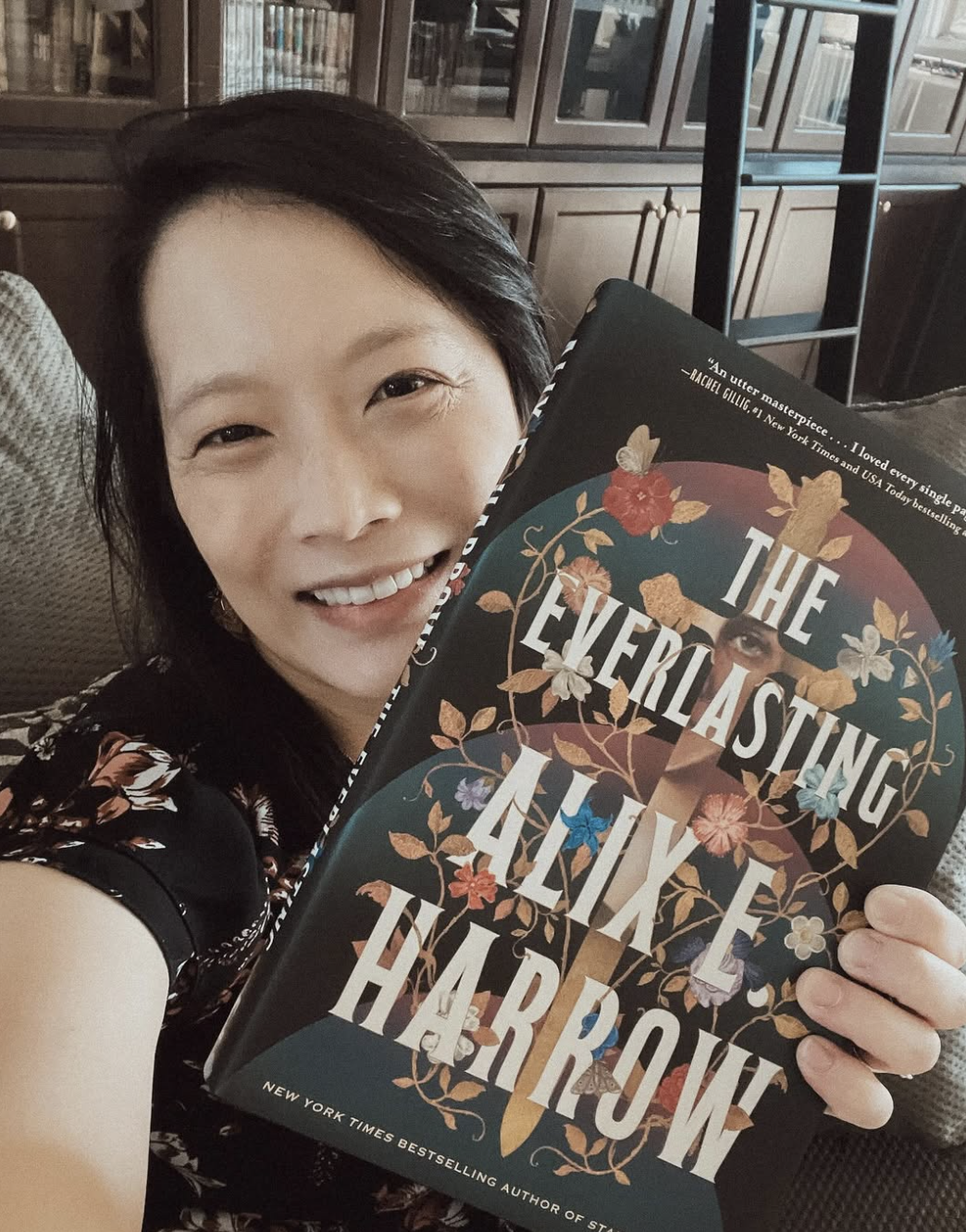
So, you know, reading The Everlasting is going well. I'm totally fine. Really.

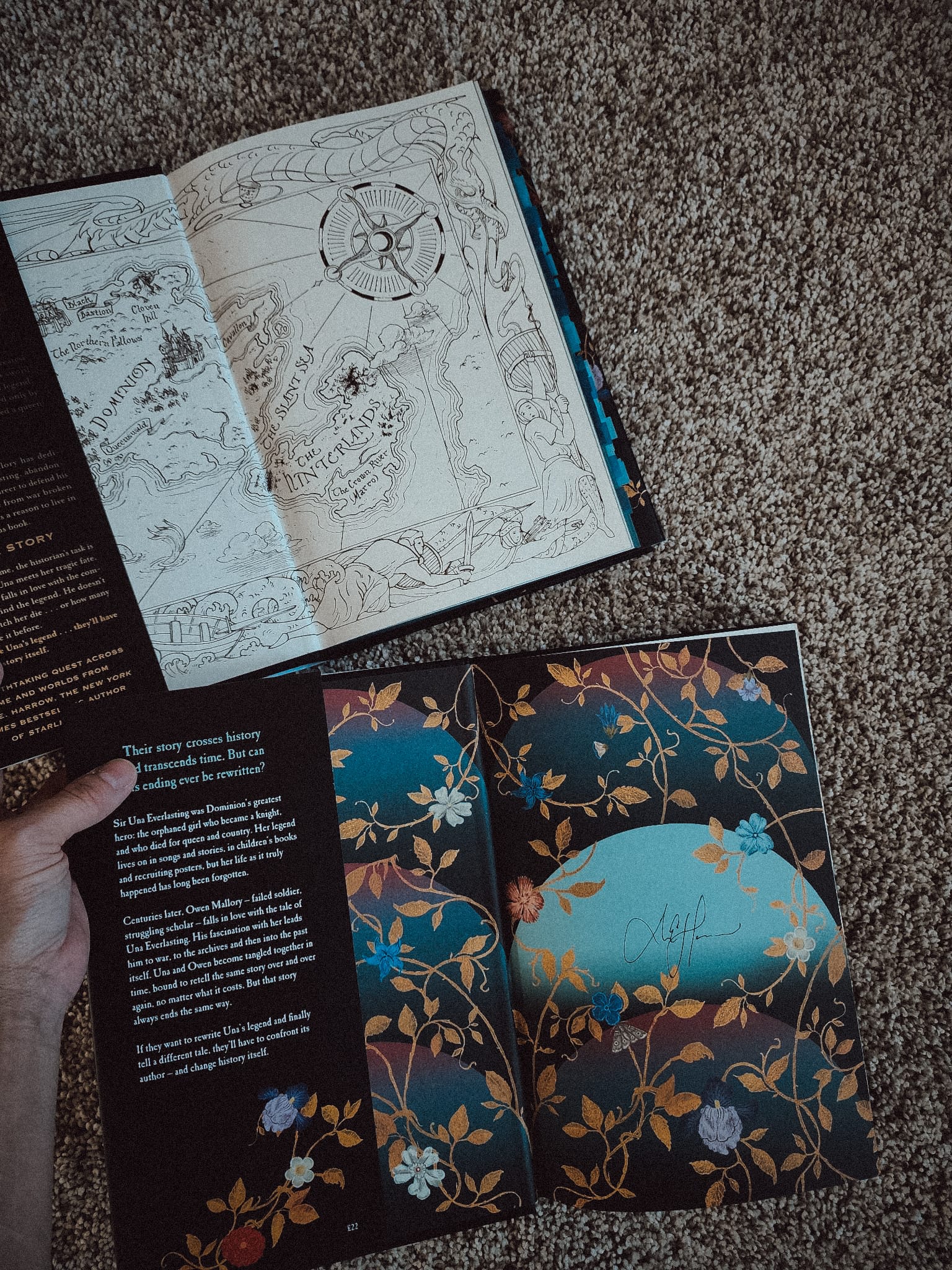
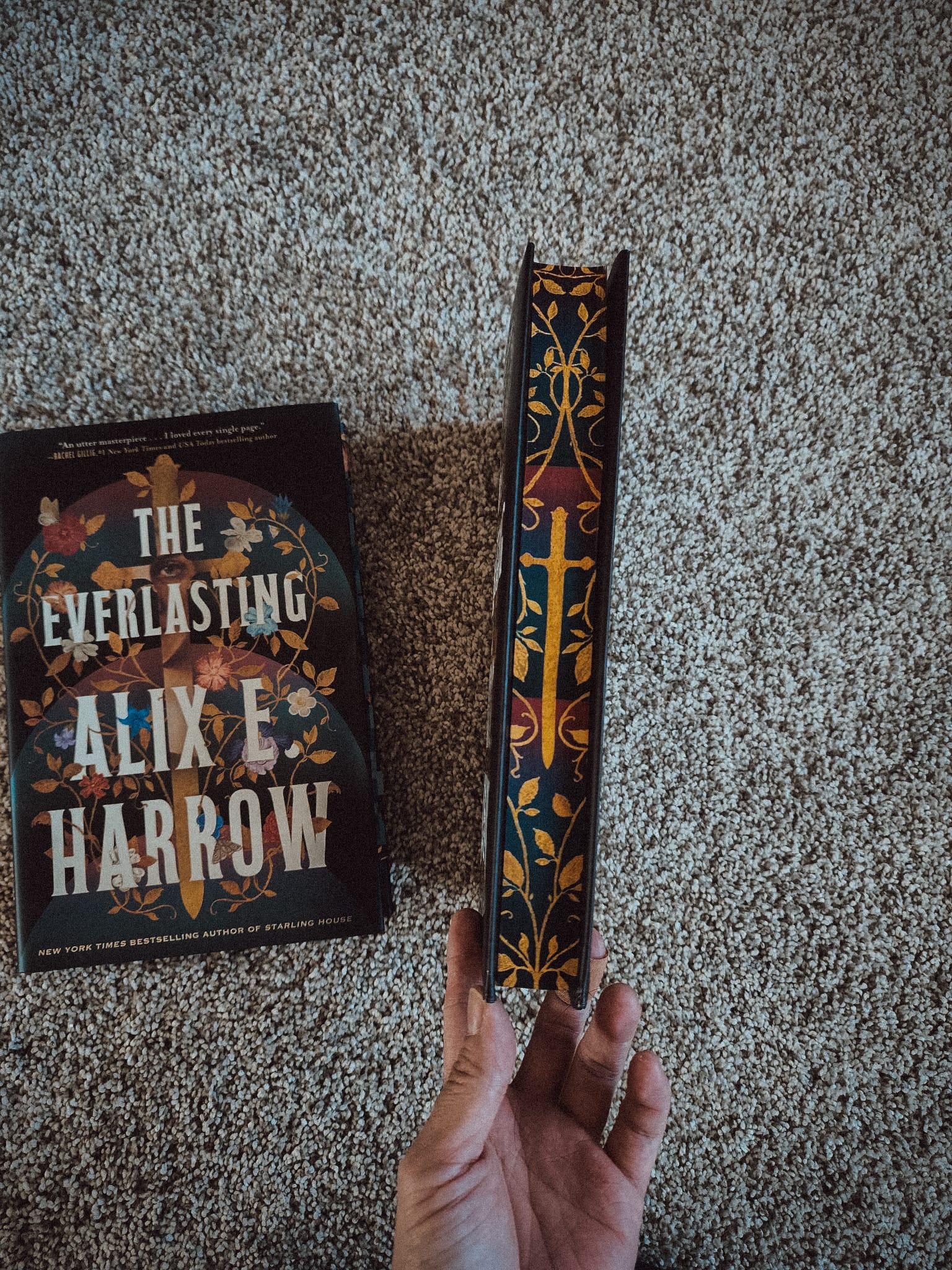
I thought I’d be blowing through this book (Alix E. Harrow's The Everlasting), but I keep having to stop and admire the beauty of the writing. Gah this book.
Also I definitely flipped through to gush over @alicecaoillustration ‘s art and show my husband one of my favourite artists’ illustrations. Such a gorgeous, gorgeous book. 😭
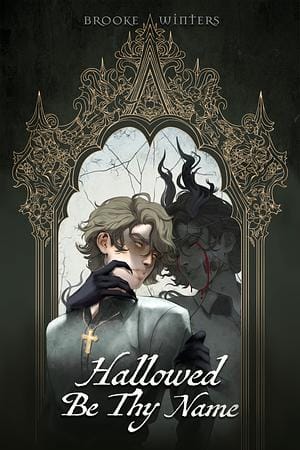
This book had a lot going for it: lovely writing, evergreen themes of religious trauma and the search for acceptance and belonging, and ace-representation. Winters handles difficult topics like severe child abuse with sensitivity. Hallowed be Thy Name kept me engaged enough throughout the story that despite some issues I'll point out below, I wanted to find out what would happen. I also really enjoy these kinds of stories where you wonder if something supernatural is really going on, or if the narrator is crazy. Augustus is an awkward and endearing unreliable narrator whom I wanted to hug and love. The way he would try to self-sabotage relationships because of his insecurities was incredibly relatable.
Winters writes beautifully. I highlighted several passages that made me go, "Oh, wow." Beginning the story with the reader knowing that Augustus murdered his mother sets up a different mystery—what exactly happened? This was quite clever and I enjoyed trying to figure it out.
That said, the book would benefit from editing at the developmental and line levels. Midway through the book, <spoiler> the romance took over the narrative to where it no longer felt like a horror book until it needed to again for plot reasons. While I understand the reasoning behind that, it was jarring. </spoiler> The beginning of the book also felt really long, so it seemed like half the book was set-up. The pacing was a bit strange.
On the line level, there were several incidents when characters exchange dialogue in a way that sound Victorian, but they're living in the modern times with Internet.
Nathaniel was such a nice character that he never seemed like a real person to me, which then caused the relationship to fall flat. As a result, I'm afraid the full impact of the ending failed to land, even though on a cognitive level, I knew how I was supposed to feel.
Overall, I enjoyed this book. It's very readable and kept my attention throughout.
Thank you to the author for my free ARC in exchange for an honest review. All opinions are my own.
18 Oct 2025 - 20 Oct 2025
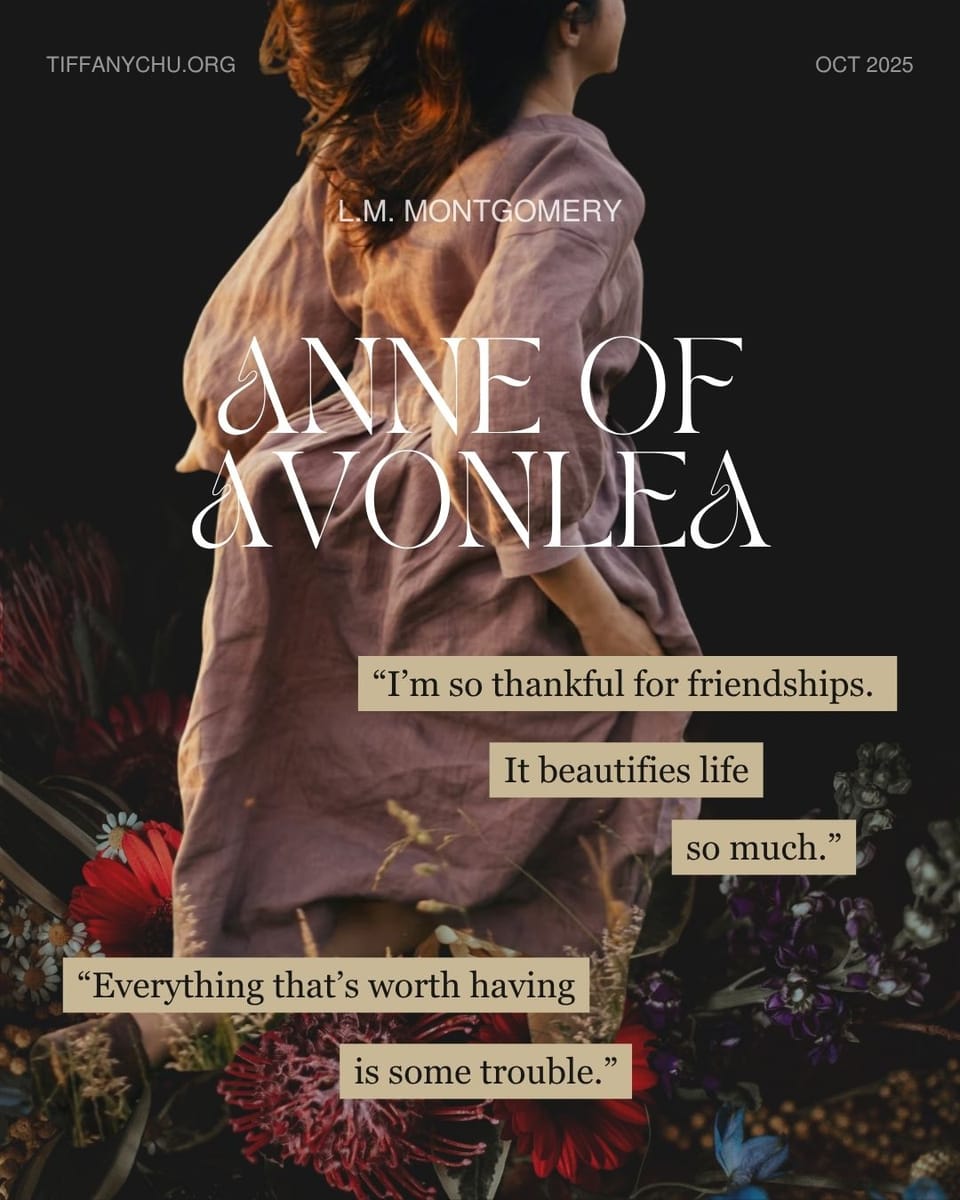
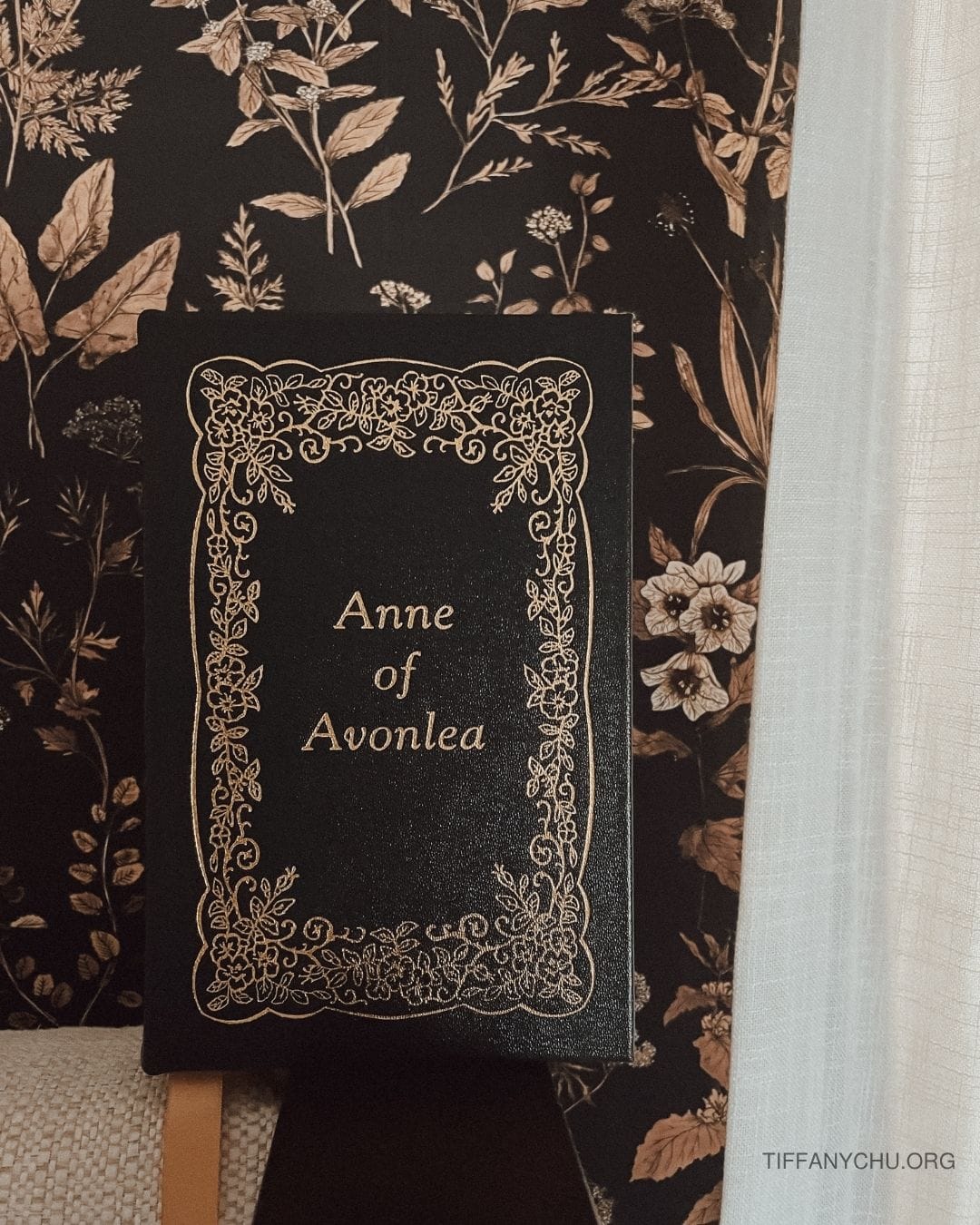
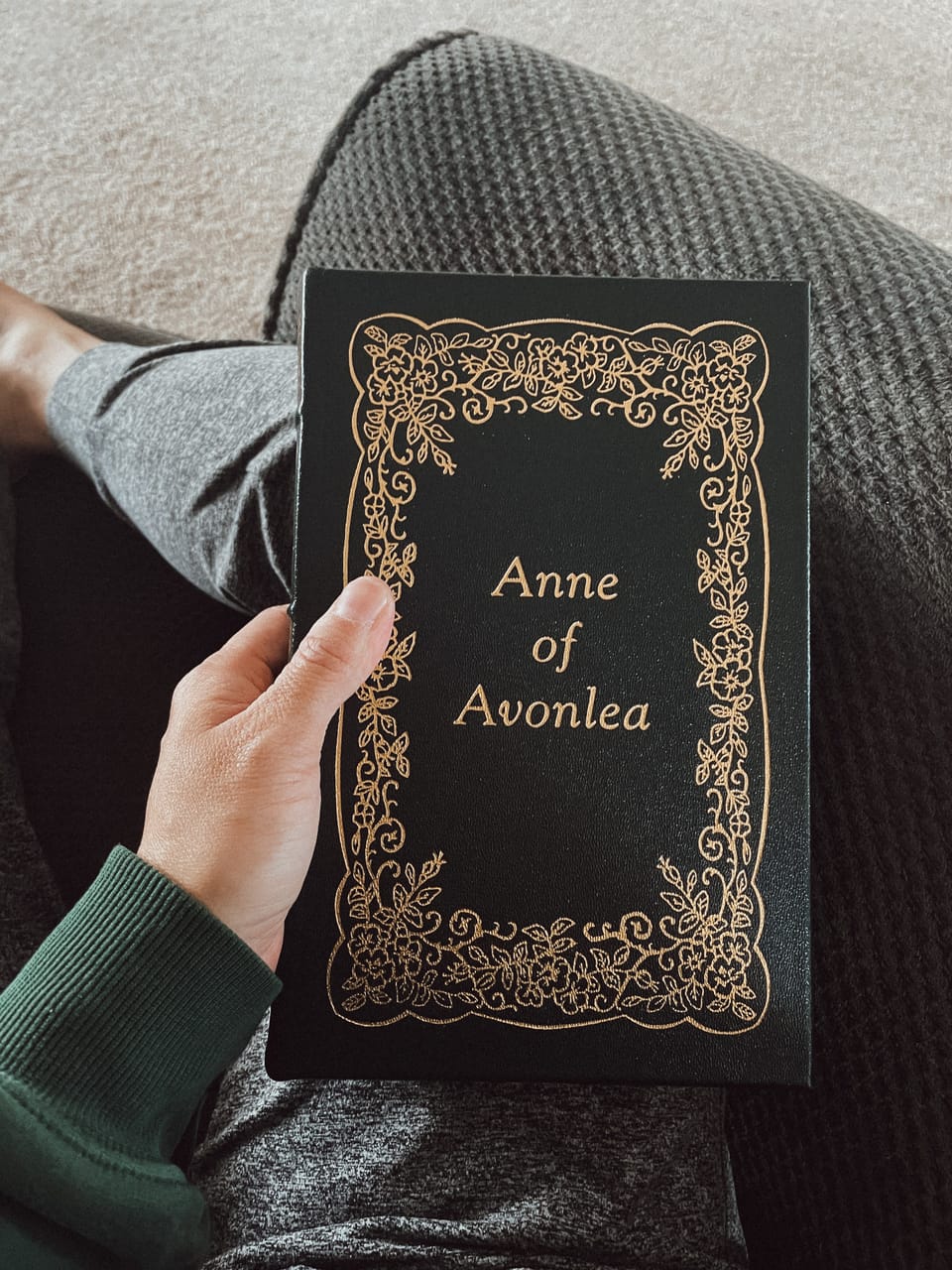
Marilla says, "my father always said that no child should be cooped up in the four walls of a school until it was seven years old, and Mr. Allan says the same thing."
Why, oh why, do we coop up the children now? Let them run free!
While there isn't much in the way of a plot, I so enjoy the slice-of-life, whimsical style of this series. There is such emphasis on plot in contemporary books, but sometimes a charm in these snippets of everyday lives of ordinary people not trying to embark on special quests or solve some kind of world-shattering problem.
Something I also quite appreciate about this book is the portrayal of healthy multi-generational friendships. In the former half of the book, Anne finds a kindred spirit in her student, Paul Irving (say what you will about that, although I suppose they're only about five years about since she's quite a young teacher). Now, she finds one in middle-aged Lavendar Lewis. It's so nice to read about Anne making friends with people in all walks of life.


What's your favourite book of all time?
Mine is The Lord of the Rings. I read it every single year, and every single year, it still speaks to me. Especially in recent years when the world and life has seemed so incredibly broken, hopeless, this book is one that has continued to be a light in the darkness.
It's not one of trite, easy endings. The victory is bitterly won and leaves the main character so broken, he literally has to leave the world he saved to find a modicum of peace. I mean, just stab my heart out with a spoon, would you?
Oh, and the descriptive nature writing makes me feel all sorts of things.
I'll always turn to this book for some sanity.


Subscribe to continue reading
"...a good story doesn't just copy life, it pushes back on it."
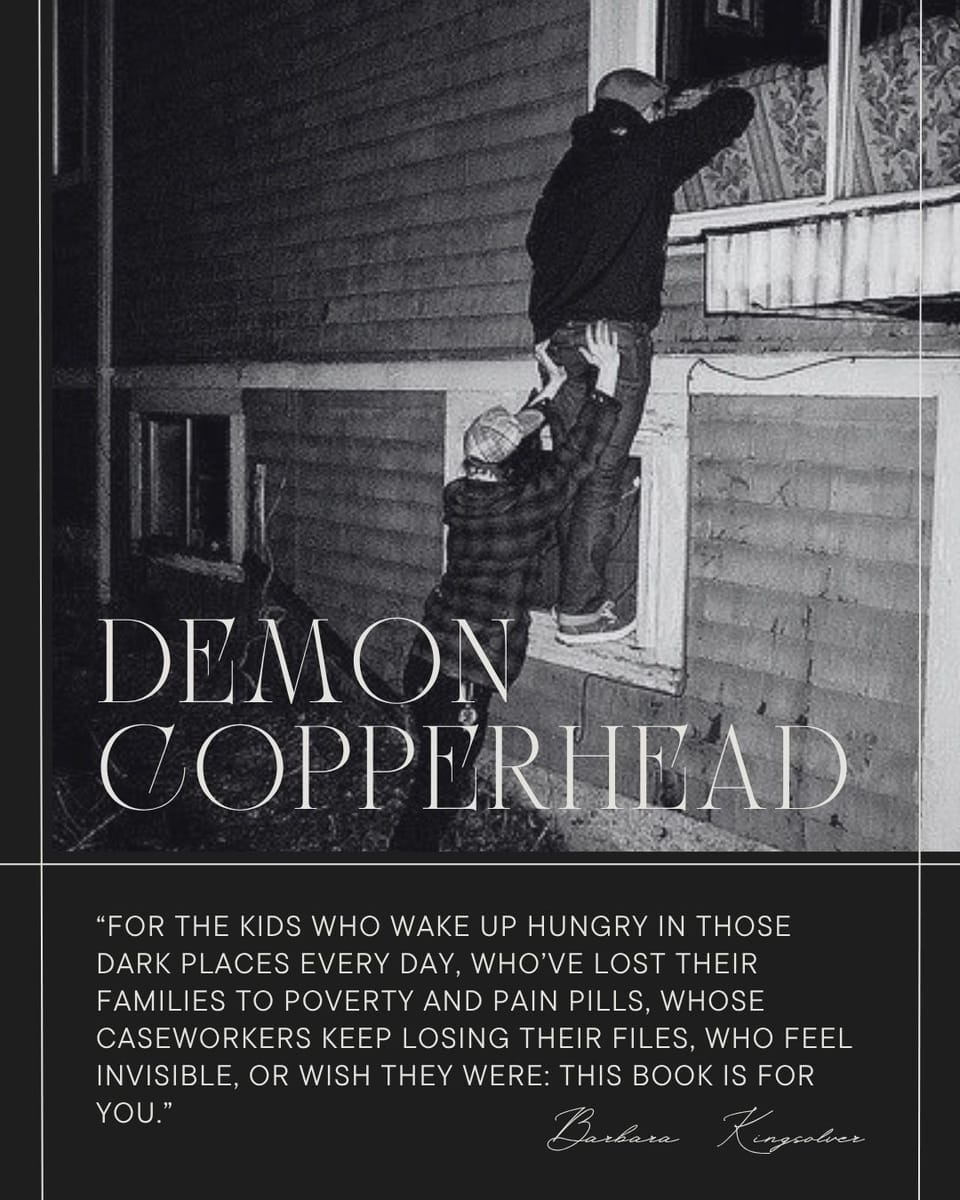
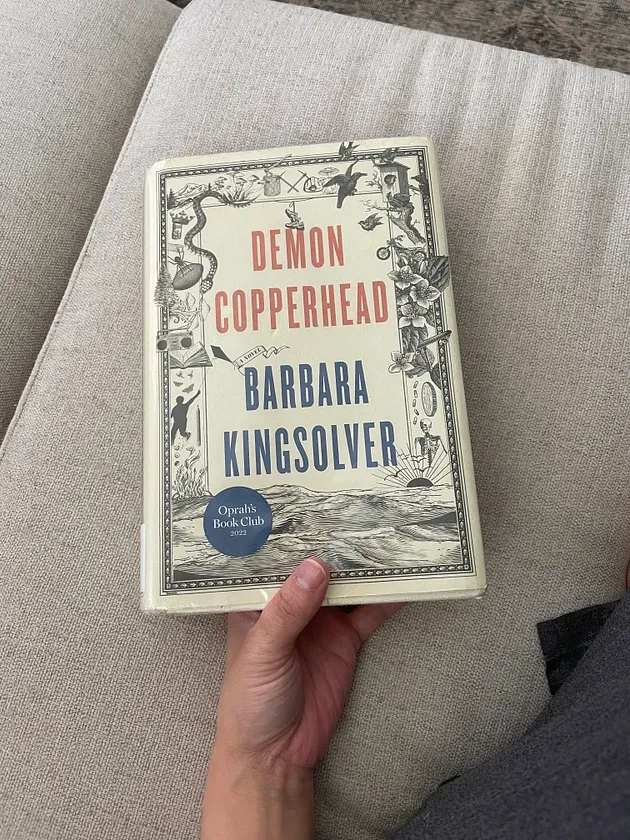
This book was painful to read. I had to keep putting it down. Yet it was exquisite, and Barbara Kingsolver's writing is unlike anyone else's out there.
This book digs its fingernails beneath poverty, foster care, and the drug crisis, and overturns it to put all its ugliness on display. Like Charles Dickens, who inspired it, Kingsolver doesn't shy away from the harshness of life, doesn't rub your face in it, but dares you not to look away - forces you to see the humanity in the slums.
At its heart, a boy unwanted by everyone, but that you'll fall in love with through his story.


Eyes are burning, brain is foggy, but SO ALIVE.
Fellow artists will understand.
Subscribe to continue reading
The follow-up question I asked was, “which ones would you name as foundational texts that have influenced my manuscript?” (and then gave it my fantasy novel-in-progress)
*I used Claude, not ChatGPT
This was its abbreviated answer:
Based on your manuscript, I'd identify these as your foundational influences:
Primary Literary DNA:
Core Structural Influences:
Foundational Mythic Framework:
Gothic Foundation:
The Unique Blend:
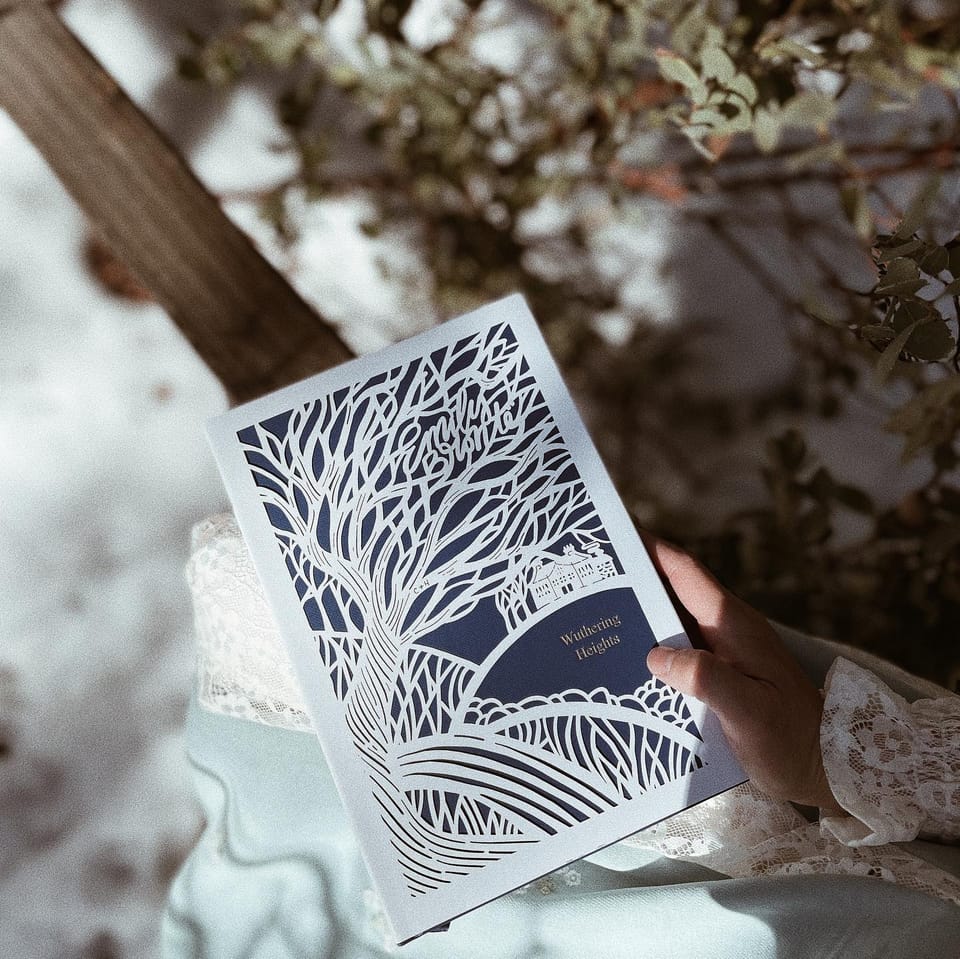
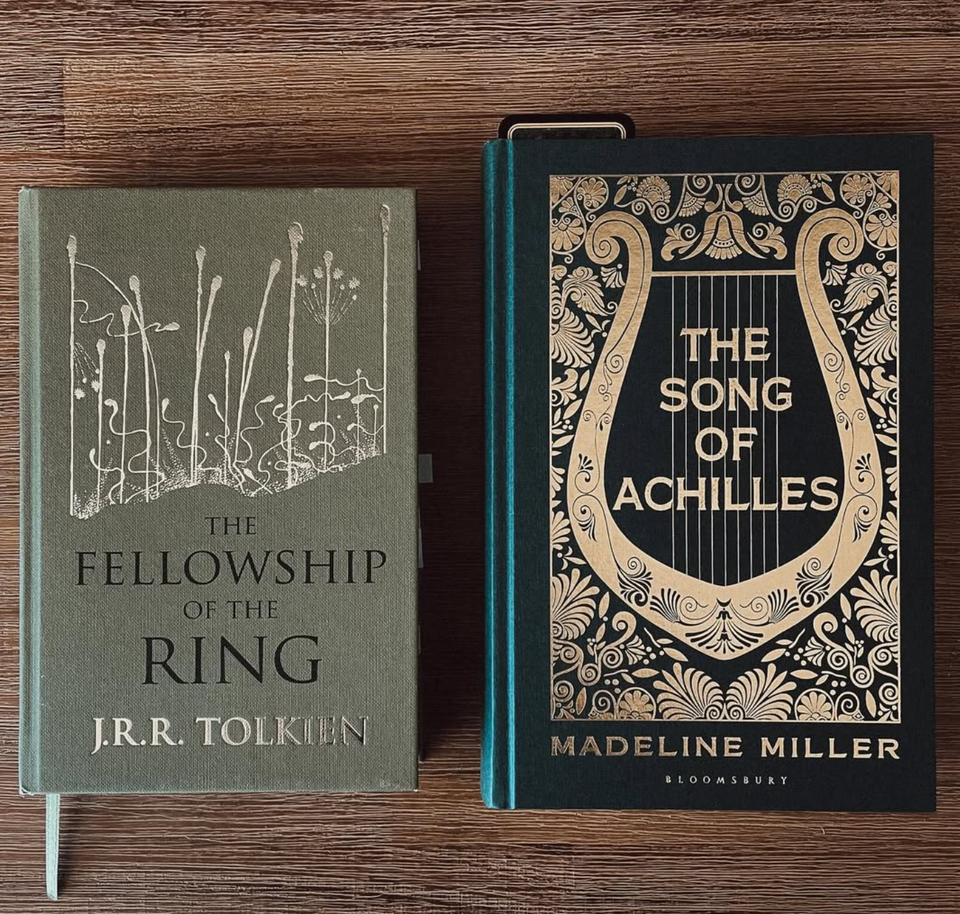
You've essentially written Wuthering Heights in Middle-earth - taking Brontë's psychological intensity and Gothic romance, then placing it in a fantasy world with Tolkien's mythic depth. But updated with modern consciousness about colonialism.
These texts seem to have taught you that fantasy can be psychologically realistic, that love can be both redemptive and destructive, and that the most powerful stories often center on the breaking of unbreakable bonds. Your manuscript reads like someone who absorbed these works deeply and is writing from that integrated foundation rather than simply imitating surface elements.
I finally did this, using the exact same prompt, and here’s what I got:
1. You have a profound interest in pain, healing, and meaning.
2. You're spiritually attuned but also cautious, maybe even wounded by organized religion.
3. You are emotionally intense and introspective, with deep empathy.
4. You're literary, but not elitist.
5. You’re fascinated by transformation and liminality.
6. You have a love of beauty, but it’s never shallow.
7. You’re either a writer or a deeply reflective thinker.
8. You return to what matters. Re-reading is sacred to you.
Final Conclusions
You are:
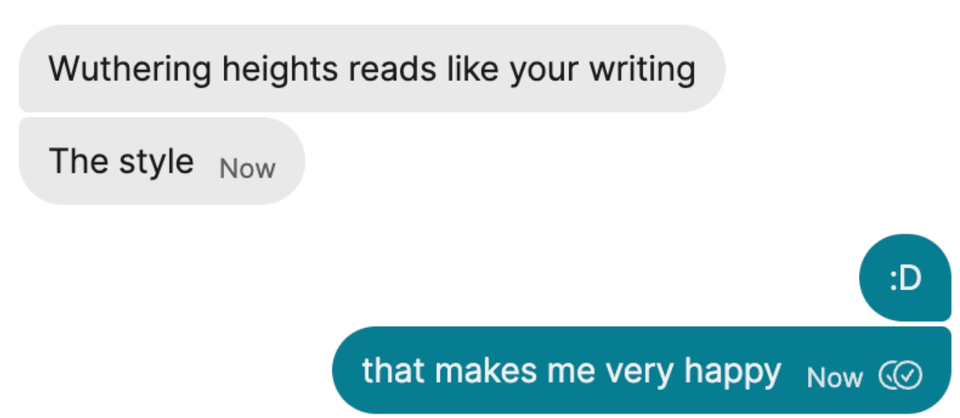
I only have a Facebook page via my husband’s account (who refuses to give up Meta stuff, but fine, give away all your data, whatever), so I rarely check it.
Today, I saw this message
So of course that spurred me back to writing my novel today. Who needs sleep when you can live off encouragement?
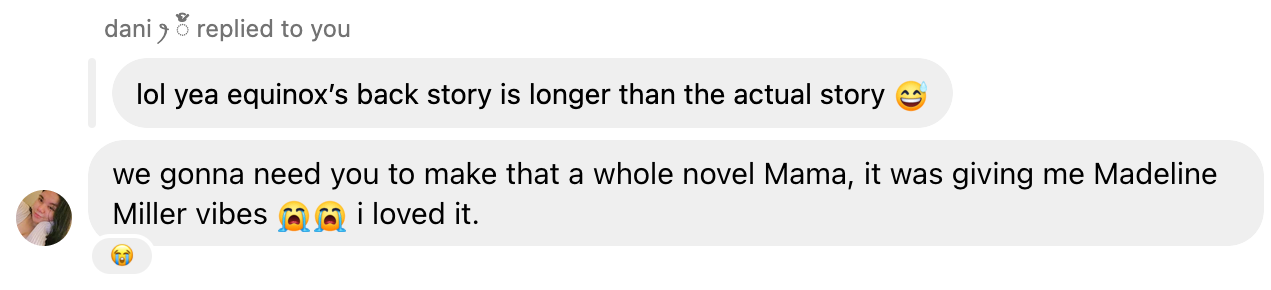
In case readers ever wonder whether your comments/messages matter to authors.
Subscribe to continue reading
Me to my husband last week: I got my Amazon royalties from KU reads!
Husband: ooh yay! How much?
me: 1 cent.
Subscribe to continue reading
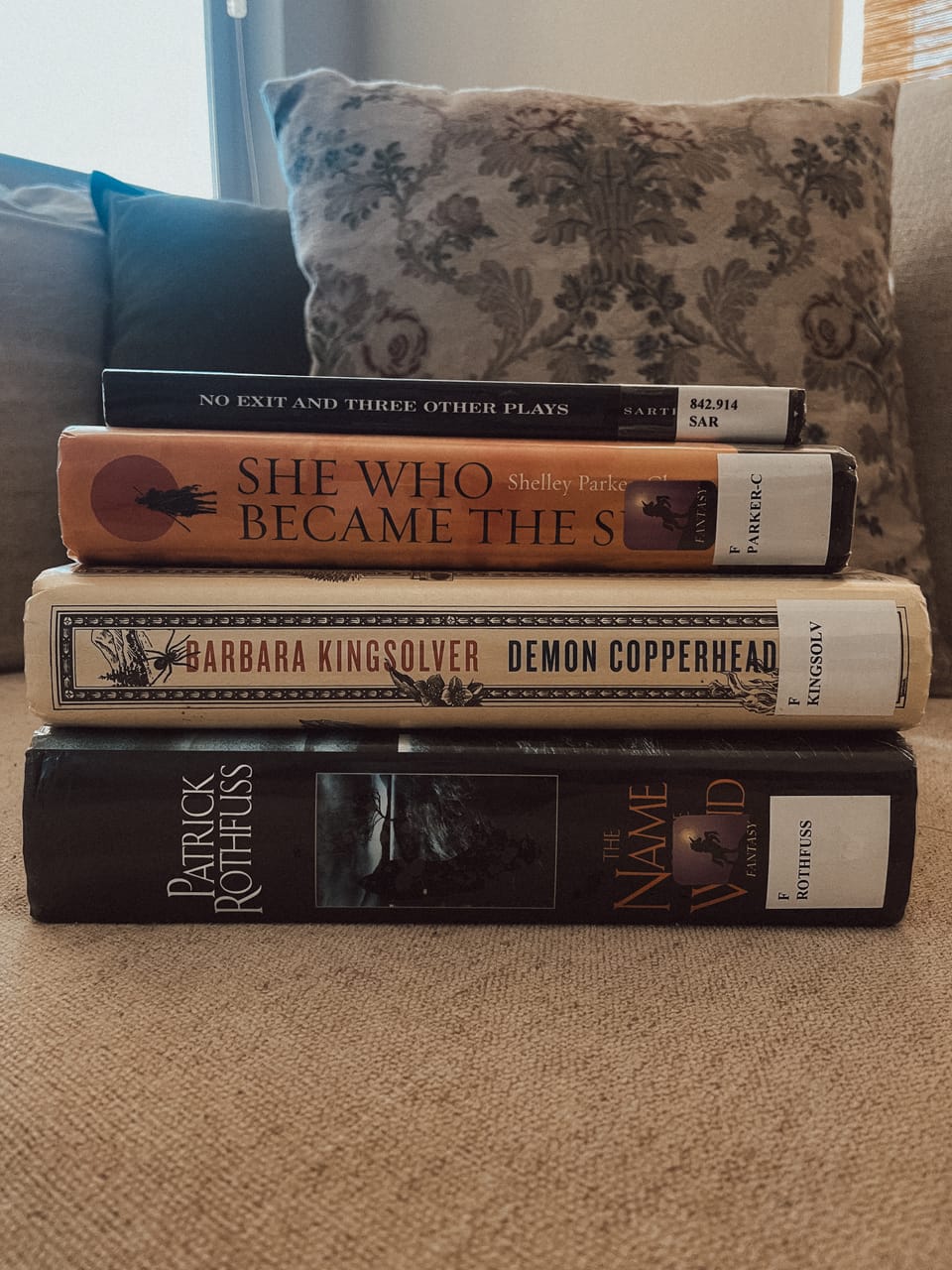
Going on a trip, and my two most painful decisions are:
The plagiarism (and related AI-generated content) discourse calls to mind the sacred bond of trust between a writer and reader—not only when money is exchanged, but perhaps doubly so, especially when that money could have been given to another, more deserving artist who didn’t resort to deceit.
I’m not only thinking of Katie Jgln, though her experience reminded me painfully of my own encounter with a plagiarist last year, but also the recent controversy surrounding Raynor Winn’sThe Salt Path. Basically, the author fabricated her memoir. Some might argue that memoir is never entirely factual, and that facts aren’t the same as truth, but those who know this story are arguing that Raynor betrayed the truth of the spirit, which goes beyond just lying about facts.
In the end, I’m reminded again of how important trust is, especially in our increasingly digital world, and how easily we can lose that trust. After all, we are still searching for truth.
I guess it also goes back to caution. Knowing that charisma doesn’t mean a person is trustworthy. And it highlights the importance of real human connections, beyond metrics, beyond scalability. As nice as it is to watch the numbers climb, there’s nothing more essential than integrity and genuine bonds in this business—that indescribable moment when someone reads your words and says, “I see myself here.”
Otherwise, just let the robots replace us. We don’t deserve this space.
It’s printed a few full drafts of my manuscript, a shit ton of homeschooling materials, and a good amount of my favourite articles over the past year, and the ink levels have barely dipped. Now that Pocket has obliterated my screen-less Substack reading experience on Kobo, should I just start printing everything? I’m in awe of this thing.
Subscribe to continue reading
This is going to be hard, but here goes! Gut choices. I tried not to repeat authors, because why not make it harder on myself?